The 7th Edition Workbook’s answer key PDF provides a comprehensive reference, enabling learners to verify responses, track progress, and reinforce concepts. It aligns with each chapter, offering clear explanations and step‑by‑step solutions for accurate self‑assessment. Use it daily for mastery. and review.
1.1 Purpose of the Workbook and Answer Key PDF

The purpose of the Phlebotomy Essentials 7th Edition Workbook and its accompanying answer key PDF is to provide a structured, self‑directed learning tool for students and professionals seeking to solidify their knowledge of phlebotomy practices. The workbook contains a series of carefully curated questions that mirror the instructional material, allowing learners to test comprehension, identify knowledge gaps, and reinforce key concepts through active recall. The answer key PDF offers detailed explanations, step‑by‑step solutions, and reference links that clarify the rationale behind each correct response. By integrating the answer key into study sessions, users can receive immediate feedback, correct misconceptions, and track progress over time. The key also serves as a resource for instructors and trainers, who can use it to design assessment rubrics, create discussion prompts, and tailor instruction to address common challenges observed in the field. Additionally, the answer key supports competency verification for certification exams, ensuring that learners meet the required standards before advancing to clinical practice. The workbook’s design emphasizes clarity, accessibility, and alignment with current industry guidelines, making it an indispensable companion for anyone aiming to achieve proficiency in phlebotomy techniques, safety protocols, and patient communication skills.
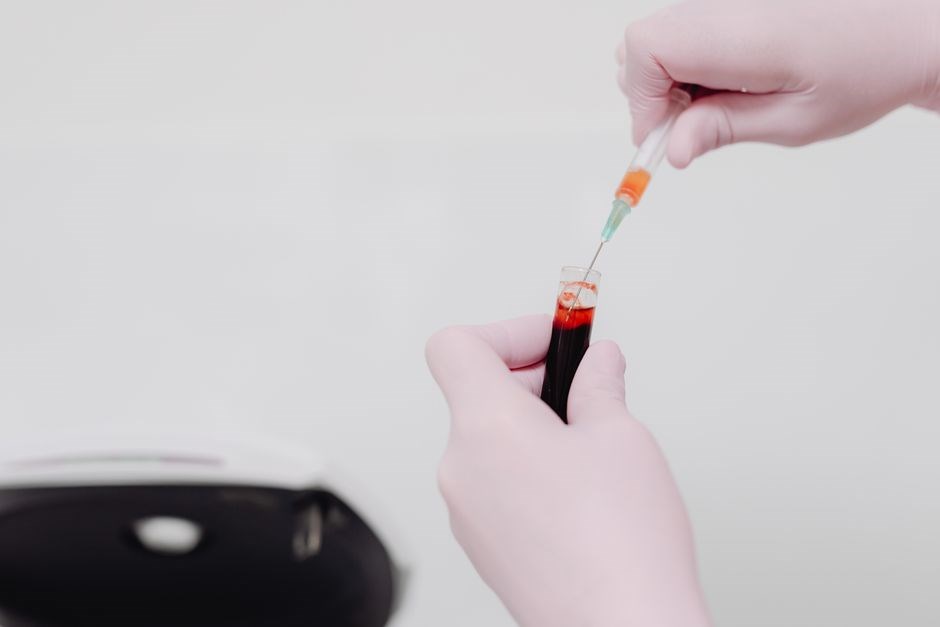
Students use the key to review explanations and revisit until mastery. Instructors incorporate it into workshops for self‑grade and peer review!
1.2 Target Audience and Prerequisites
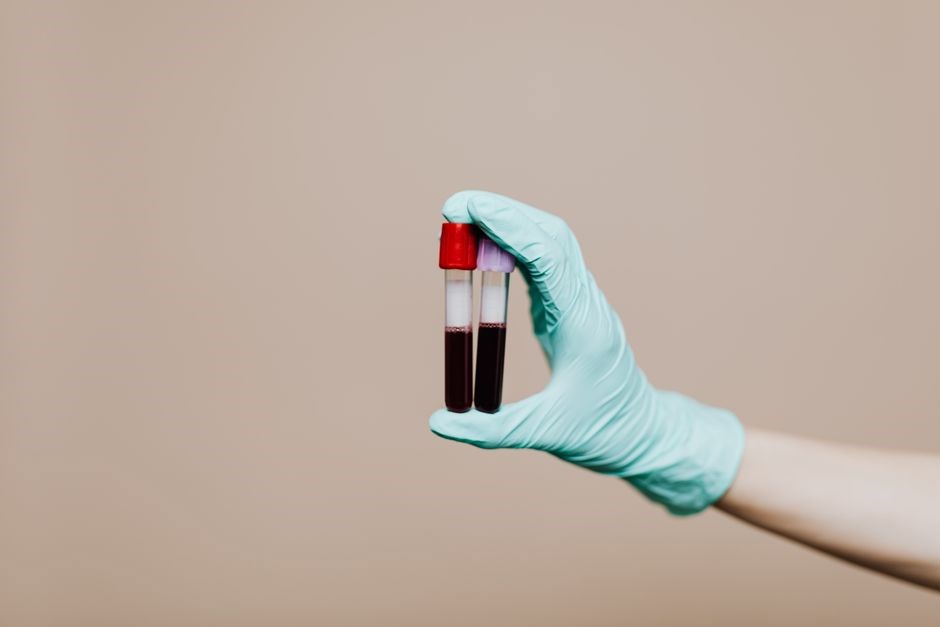
The Phlebotomy Essentials 7th Edition Workbook and its answer key PDF are crafted for a diverse group of learners, including new students entering phlebotomy training programs, experienced technicians seeking to refresh foundational knowledge, and certification exam candidates preparing for national licensure tests. The workbook is also useful for educators and clinical supervisors who wish to supplement classroom instruction with hands‑on practice and self‑assessment tools. Prerequisites for effective use of the material include a basic understanding of human anatomy, particularly the circulatory system, familiarity with standard laboratory terminology, and prior exposure to basic clinical safety practices such as hand hygiene, personal protective equipment, and universal precautions. Users should also possess a working knowledge of the instruments commonly employed in venipuncture, such as tourniquets, needles, collection tubes, and tourniquet release timing. While the workbook is designed to be self‑contained, it is recommended that learners review the accompanying textbook or online modules to ensure they have the foundational concepts needed to fully engage with the questions and explanations. By meeting these prerequisites, students can maximize the benefits of the workbook and achieve a high level of competency in phlebotomy procedures and patient care. Learners are encouraged to use the answer key PDF alongside the workbook’s practice exercises, ensuring that each answer is cross‑checked and understood in context; By reviewing solutions systematically, students refine technique, improve accuracy, and build confidence for real‑world application daily practice.!
Overview of the Workbook Structure

The workbook is organized into 12 chapters, each featuring concise theory, illustrative diagrams, and applied practice questions. The answer key PDF offers detailed solutions, step‑by‑step explanations, and reference links, enabling learners to self‑check and deepen understanding efficiently. &

2.1 Chapter Layout and Content Summary
The answer key PDF mirrors the workbook’s chapter structure, offering a review tool. Each of the 12 chapters is broken into three segments: foundational theory, procedural illustrations, and application exercises. For every question, the key supplies a concise answer, a brief rationale, and, where applicable, a reference to the page or figure in the workbook. This alignment allows learners to connect the solution with the source material, reinforcing retention.
Chapter one introduces terminology and the anatomy of the circulatory system. The key lists correct definitions and highlights misconceptions. Chapter two focuses on venipuncture techniques; the key includes step‑by‑step procedural checklists and safety reminders. Subsequent chapters cover specimen handling, labeling protocols, and quality control measures, each with corresponding answer entries that explain best practices and regulatory requirements.
Throughout the workbook, the answer key integrates sections that match the workbook’s visual cues. Red highlights denote critical safety points, while green markers indicate optimal technique. This visual consistency aids reference during study sessions. Additionally, the PDF offers hyperlinks to external resources, such as up‑to‑date guidelines from professional societies, ensuring that learners have access to the latest standards.
To maximize learning, the key encourages active recall. After attempting an exercise, students should review the answer, note any discrepancies, and revisit the relevant workbook section. This process promotes deeper understanding and prepares users for scenarios. The PDF’s organized layout, combined with explanations, makes it an indispensable companion for practice
Core Topics Covered
The answer key PDF outlines core topics: anatomy, physiology, venipuncture, specimen handling, safety protocols, and regulatory compliance. Each section includes concise answers, rationales, and references to workbook pages for quick review. Use it to reinforce learning!!
3.1 Anatomy and Physiology of the Circulatory System
The answer key PDF for the 7th Edition Workbook delivers precise, concise explanations for every anatomy and physiology question. It maps each concept—arterial, venous, capillary networks, cardiac cycle, blood pressure regulation—to the corresponding workbook page, ensuring learners can cross‑reference quickly. The key highlights key terms such as systole, diastole, preload, afterload, and the role of the autonomic nervous system in heart rate modulation; It also clarifies the anatomical landmarks used for venipuncture, including the median cubital vein, basilic and cephalic veins, and the importance of identifying the correct vein to reduce patient discomfort. Each answer is accompanied by a brief rationale, linking back to the textbook’s diagrams and clinical scenarios. For instance, when addressing the question on why the radial pulse is often used for blood pressure measurement, the key explains the anatomical basis and the physiological significance of peripheral arterial pressure. The PDF also includes a glossary of terms, a summary of key equations such as the cardiac output formula, and a quick‑reference chart for normal laboratory values. By providing step‑by‑step solutions, the answer key supports active learning, allowing students to self‑diagnose misconceptions and reinforce their understanding of circulatory physiology. This resource is essential for exam preparation, clinical practice, and ongoing professional development in phlebotomy. It is essential companion for quick review and confidence building!!
3.2 Blood Collection Techniques and Safety Protocols
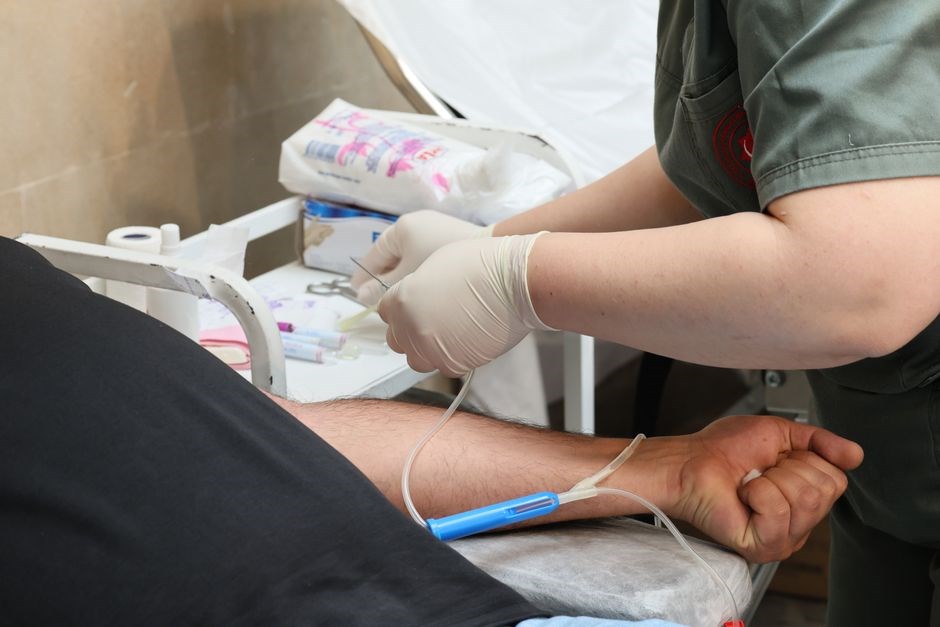
The 7th Edition Workbook answer key PDF offers detailed solutions for every blood collection technique question. It clarifies the correct sequence for venipuncture, emphasizing proper vein identification, patient positioning, and aseptic technique. Each answer explains why the median cubital vein is preferred, how to avoid hematoma, and the rationale behind using a 21‑gauge needle for most adult patients. The key also covers safety protocols, detailing steps to prevent needlestick injuries, proper disposal of sharps, and use of personal protective equipment. It explains the significance of hand hygiene, glove use, and the correct method for labeling specimens to maintain chain of custody. For each scenario, the answer includes a brief justification linking the practice to patient safety and regulatory standards; The PDF provides a quick‑reference checklist that students can use during practice sessions, ensuring compliance with OSHA and CAP guidelines. By reviewing the key, learners can identify common pitfalls, such as improper tourniquet placement or failure to rotate sites, and correct them before clinical encounters. This resource supports mastery of technical skill and safety awareness, for competent phlebotomy practice.
Students should also review the key’s guidance on specimen handling, noting the correct order of draw and the importance of avoiding cross‑contamination. The answer key outlines the recommended volumes for each tube type and the rationale for using anticoagulants such as EDTA or heparin. It emphasizes the need for immediate refrigeration of temperature‑sensitive samples and proper labeling to prevent misidentification. By mastering these details, phlebotomists can reduce pre‑analytical errors and improve laboratory accuracy.
Additionally, the key highlights the importance of documenting patient consent and ensuring the specimen is labeled with the patient’s full name, date of birth, and collection time. It also reminds phlebotomists to verify the patient’s identity using at least two identifiers before drawing blood, thereby upholding the safety net against transfusion errors.
Using the Answer Key Effectively
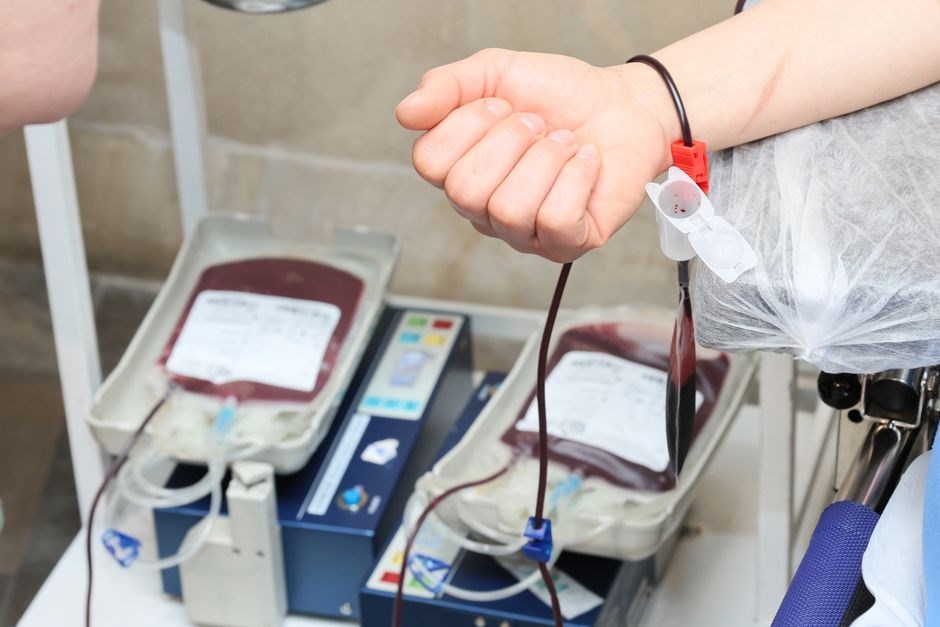
The answer key PDF lets students review solutions, track progress, and identify gaps. Use it after practice, compare answers, and note explanations. Revisit challenging items, integrate into study sessions, and reinforce concepts for skilled phlebo performance.
4.1 Integrating the Key into Study Sessions
Begin each review cycle by selecting a chapter or set of practice questions. Open the corresponding section in the answer key PDF, noting the layout: question numbers, answer choices, and explanatory notes. First, read the answer without peeking at the key to simulate exam conditions. After attempting, consult the PDF to confirm correctness. If an answer is wrong, read the explanation, then revisit the original question, re‑analyze the reasoning, and adjust your mental model. Repeat this process for all items in the set. Use the key to create flashcards: write the question on one side, the answer on the other, and include a brief rationale. Schedule daily or weekly sessions, alternating between new material and review of previously mastered sections. Track progress in a study log, marking items that consistently trip you up. Over time, this iterative loop of practice, immediate feedback, and targeted revision builds deep retention and confidence, ensuring you can apply phlebotomy principles accurately in both classroom and clinical settings. Incorporate spaced repetition by reviewing the key after 24 hours, then after 72 hours, and finally after one week. This schedule reinforces long‑term memory. Additionally, create a peer‑study group where members quiz each other using the key, fostering collaborative learning. Finally, set measurable goals: aim to reduce error rate by 20% each month, and track progress using a spreadsheet that logs question difficulty confidence levels.
Ethical and Legal Aspects
The answer key PDF emphasizes compliance with ethical standards, patient confidentiality, and legal regulations. Users must review privacy policies, consent procedures, and licensure requirements to ensure accurate, lawful practice. Proper use safeguards both learners and patients. Integrity matters!!
5.1 Patient Confidentiality and Privacy
The answer key PDF for the Phlebotomy Essentials 7th Edition Workbook is an indispensable academic tool, yet it must be treated with stringent safeguards to protect patient confidentiality and privacy. While the key itself does not contain any patient identifiers, it is intrinsically linked to the questions that are derived from real or simulated clinical scenarios. Therefore, educators and learners must ensure that the PDF is stored in a secure, access‑controlled environment, such as an encrypted hard drive or a protected learning management system that requires unique login credentials. Sharing the document with unauthorized individuals, posting it on public forums, or distributing it via unsecured email can expose sensitive information and violate privacy regulations, including HIPAA and state‑specific laws. To mitigate risk, instructors should provide the key only to enrolled students, monitor access logs, and enforce a strict no‑copy policy. When discussing solutions in group settings, instructors must avoid revealing any patient identifiers or contextual details that could inadvertently identify a real or hypothetical patient. Additionally, the key should never be used to alter or falsify patient records; its purpose is strictly academic. By embedding rigorous security protocols, watermarking the PDF with a confidentiality notice, and regularly reviewing distribution practices, users can uphold the highest standards of patient confidentiality and privacy while benefiting from the comprehensive insights the answer key offers Students should destroy any printed copies after use to prevent accidental disclosure.
5.2 Compliance with Licensure Standards
The Phlebotomy Essentials 7th Edition Workbook answer key PDF serves as a pivotal resource for aligning coursework with the competencies mandated by national and state licensure examinations. By providing detailed, step‑by‑step solutions to practice questions that mirror the format and rigor of certification tests, the key enables learners to benchmark their knowledge against the standards set by bodies such as the American Society of Phlebotomy Technicians (ASPT) and the National Phlebotomy Association (NPA). Instructors can leverage the key to identify gaps in student understanding, tailor remediation strategies, and ensure that instructional objectives meet the competencies required for licensure. Moreover, the PDF’s structured layout facilitates the integration of formative assessments that mirror the timing, question types, and clinical scenarios found on actual licensure exams. When used in conjunction with the workbook’s practice modules, the answer key supports a comprehensive review that covers all core domains, including patient safety, venipuncture technique, specimen handling, and regulatory compliance. To maintain compliance, educators should verify that the key reflects the most recent licensure content outlines and update it promptly when revisions occur. Additionally, the key should be distributed in a manner that preserves academic integrity, such as through a secure learning platform that tracks access and prevents unauthorized sharing.