Explore Gabbys Dollhouse coloring PDFs, free printable pages featuring charming interiors, gardens, and dolls. Ideal for kids and collectors seeking creative, educational fun with vibrant designs. Fun for all agesandplay!
What is Gabbys Dollhouse?
Gabbys Dollhouse is a line of miniature homes designed for children and collectors, offering detailed rooms, furniture, and accessories that can be colored, assembled, or displayed. Each dollhouse features realistic architecture, from cozy cottages to elegant manor houses, and includes a range of interior themes such as kitchens, bedrooms, and living rooms. The brand emphasizes creativity and learning, users can download these PDFs, print them on standard paper, and use crayons, markers, or colored pencils to bring the scenes to life. The coloring pages serve as a bridge between imaginative play and artistic skill development, allowing kids to experiment with color theory, shading, and composition while enjoying the familiar charm of a Gabbys Dollhouse. The PDFs are available in high-resolution formats, ensuring crisp lines and vibrant colors when printed, are compatible with most PDF readers and printers. By engaging with Gabbys Dollhouse coloring pages, children hobbyists alike can explore architectural details, practice fine motor skills, create personalized artwork that reflects their unique style storytelling imagination
Popularity among Kids and Collectors
Gabbys Dollhouse coloring pages have become a favorite pastime for children and hobbyists worldwide. Parents appreciate the free, printable PDFs that allow kids to practice color theory, fine‑motor skills, and creativity without the cost of premium art supplies. The designs feature realistic interiors, whimsical gardens, and charming doll figures, giving children a sense of ownership and pride as they complete each page. Collectors enjoy the high‑resolution artwork, which can be framed or displayed alongside physical dollhouses, creating a cohesive miniature world. Social media communities, such as Instagram and Pinterest, host thousands of user‑generated images showcasing completed pages, inspiring new color palettes and techniques. The brand’s consistent updates—adding seasonal themes, holiday scenes, and new character sets—keep the content fresh and engaging. Many schools incorporate the PDFs into art curricula, citing the pages as a low‑cost, versatile resource that supports visual literacy and imaginative storytelling. The result is a vibrant, cross‑generational fan base that celebrates both the nostalgia of dollhouse play and the modern convenience of digital coloring.
These PDFs spark shared art projects, fostering community creativity!!
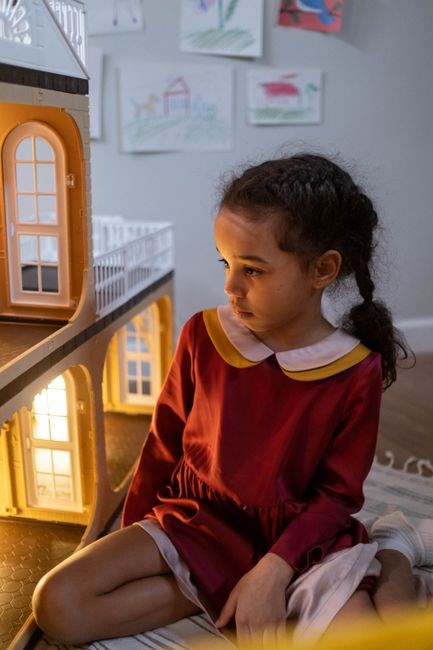
History and Evolution of Gabbys Dollhouse
Gabbys Dollhouse began as a niche toy line in the early 2000s, evolving into digital PDFs that let fans color realistic interiors and gardens. Its growth reflects a blend of nostalgia and modern creativity. and creative joy!!! pure fun!!!!
Origin of the Gabbys Dollhouse Line
Gabbys Dollhouse traces its roots to a small, family‑run workshop in the early 1990s, where artisans experimented with miniature architecture and hand‑painted details. The first prototype, a modest 12‑inch structure, was showcased at a local toy fair in 1995, drawing attention from collectors and hobbyists alike. By 1998, the brand secured a partnership with a major publishing house, enabling mass production of the original line. The early models featured hand‑crafted wooden frames, intricate latticework, and a limited palette of pastel colors that appealed to both children and adult enthusiasts. Evolution goes This digital shift allowed fans worldwide to personalize their dollhouses, fostering a community of creators who shared custom designs online. Over the past decade, Gabbys has expanded its catalog to include themed rooms, seasonal motifs, and interactive story‑based pages, all while maintaining the brand’s signature attention to detail and craftsmanship. Today, the Gabbys Dollhouse line remains a beloved staple in the miniature toy market, celebrated for its blend of traditional artistry and modern accessibility.
Development of Coloring Page Content
Since the early 2000s, Gabbys has expanded its digital offerings, introducing themed coloring pages that mirror the physical dollhouse’s interior and exterior. The first PDF set, released in 2005, featured basic room layouts and simple line art, allowing children to practice color blending while staying true to the brand’s aesthetic. By 2010, the company collaborated with professional illustrators to add intricate wallpaper patterns, furniture details, and seasonal motifs, enhancing visual complexity and educational value. In 2015, interactive elements were incorporated, such as hidden objects and layering options, encouraging problem‑solving and fine‑motor skills. The latest 2020 edition showcases high‑resolution vector graphics, enabling crisp printing on various paper types. Gabbys continually gathers user feedback through online forums and social media, using insights to refine line thickness, color palettes, and thematic diversity. This iterative process ensures each new PDF edition remains engaging, aligned with design trends, preserving the nostalgic charm of the Gabbys Dollhouse.
Enjoy exploring these pages!!!
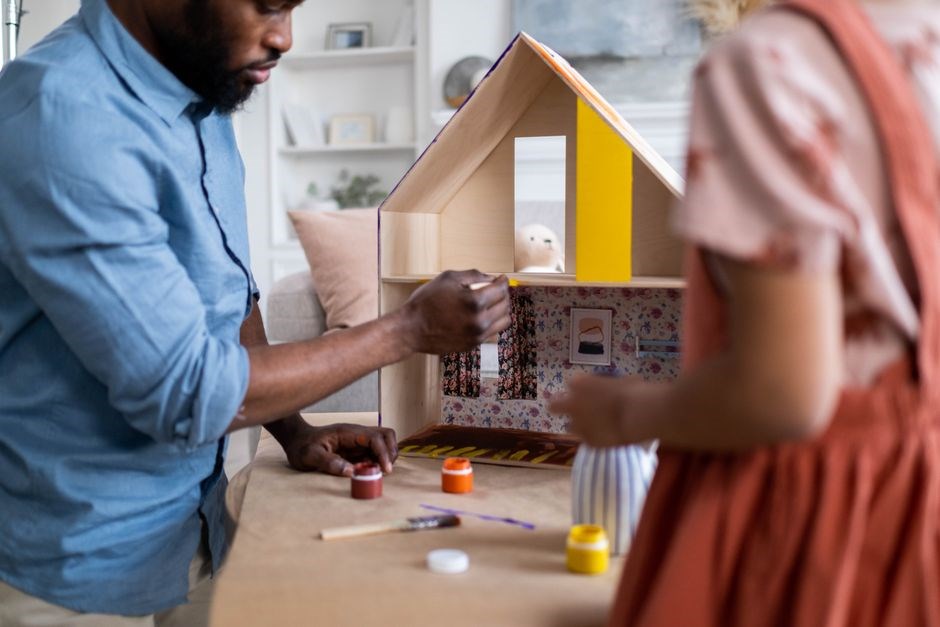
Types of Gabbys Dollhouse Coloring Pages PDF
Three main categories: interior rooms, exterior gardens, and character dolls. Seasonal and holiday themes add festive flair. Each PDF offers printable, high‑resolution designs for creative play. Ideal for kids and alike.!!
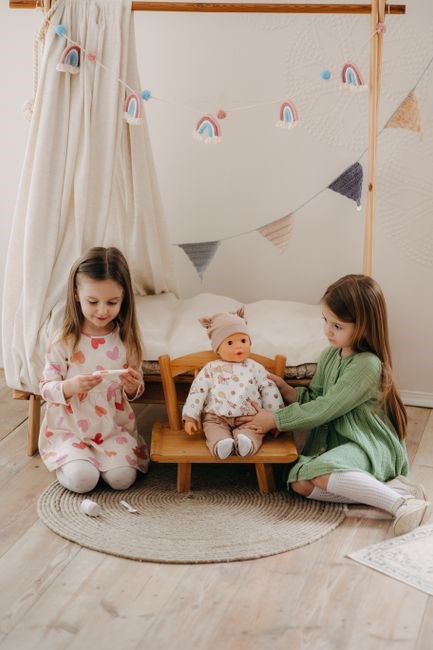
Interior Room Themes
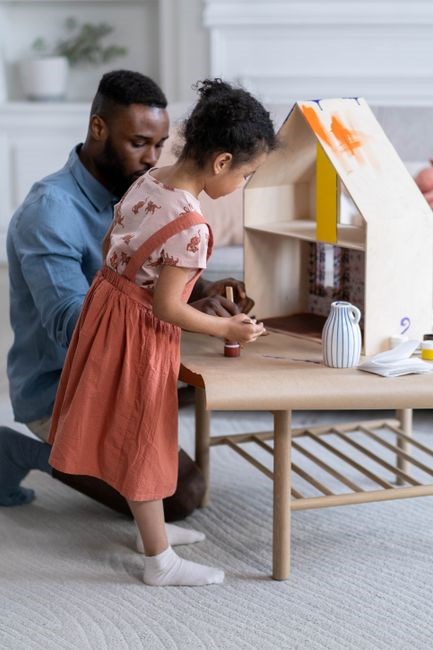
Within the Gabbys Dollhouse collection, interior room themes offer a rich palette of miniature spaces that invite children to color and imagine. Each PDF showcases detailed floor plans, from cozy bedrooms with plush bedding and whimsical curtains to bustling kitchens featuring tiny appliances, rolling pans, and a miniature pantry stocked with colorful jars. Living rooms present open layouts with miniature sofas, coffee tables, and decorative vases, while bathrooms display sleek fixtures, patterned tiles, and tiny bath toys. Nursery pages highlight soft pastel walls, cribs, and mobile hangers, encouraging gentle color choices. The PDFs also include themed rooms such as a study with a desk, bookshelves, and a lamp, a dining area with a table set for a family meal, and a playroom filled with small toys and a rug. Each illustration is crafted to provide clear outlines, allowing kids to practice line work and shading. The designs incorporate seasonal accents—like a holiday wreath on a bedroom door or a summer garden motif on a kitchen wall—adding an extra layer of creativity. These pages encourage creativity and color exploration!
Exterior and Garden Scenes
Gabbys Dollhouse offers a variety of exterior and garden scenes that allow children to color the world outside their miniature homes. These PDFs feature detailed front porches with rocking chairs, flower beds bursting with roses, tulips, and daisies, and a small wooden fence framing the landscape. Some pages show a winding path leading to a tiny gazebo, complete with a wrought‑iron rail and a hanging lantern. The garden scenes also include a vegetable patch with carrots, tomatoes, and lettuce, encouraging kids to learn about colors and nature. A small pond with lily pads and a stone bridge adds a tranquil element. The PDFs often incorporate seasonal touches: a spring meadow with butterflies, a summer patio with a sun‑hat, a fall yard with pumpkins, and a winter scene with a snow‑covered fence. Each illustration is designed with clear outlines, making it easy for young artists to practice shading, blending, and layering. The variety of outdoor settings encourages imaginative play and helps children develop a sense of place while enjoying the creative process. Kids may also add stickers or drawings to personalize each scene!
Character and Doll Figures
Gabbys Dollhouse coloring PDFs showcase a diverse cast of miniature characters and doll figures that bring the tiny world to life. Each page features stylized dolls wearing period‑accurate outfits, from Victorian gowns to modern casual wear, complete with accessories such as hats, scarves, and handbags. The figures are drawn with clear outlines and distinct facial features, allowing children to practice shading, color blending, and detail work. Many pages include family groups—parents, children, and pets—encouraging storytelling and role‑play. Some illustrations depict the dolls in everyday activities: cooking in a kitchen, gardening in a backyard, or playing in a park. The PDFs also feature seasonal costumes, such as holiday attire for Christmas, Halloween, and Easter, giving kids opportunities to experiment with festive colors. The characters’ poses are dynamic, with arms raised, heads turned, or sitting, providing varied practice for hand‑eye coordination. The designs are intentionally simple yet expressive, making them suitable for early learners while still engaging older children who enjoy more complex shading techniques
Seasonal and Holiday Themes
Gabbys Dollhouse offers a variety of seasonal and holiday-themed coloring pages that capture the spirit of each celebration. The Christmas set features a cozy living‑room scene with a decorated tree, stockings, and a miniature sleigh, while the Halloween collection showcases a spooky attic with pumpkins, cobwebs, and friendly ghosts. Easter pages depict a sunny garden with pastel‑colored eggs, bunnies, and blooming lilies. Thanksgiving illustrations include a rustic dining room with a turkey centerpiece and autumn leaves. Summer themes highlight bright beach houses, picnic tables, and sunny skies. Winter scenes portray snowy cottages, sleds, and cozy fireplaces. Each page is designed with clear outlines and ample space for color exploration, encouraging children to experiment with seasonal palettes, shading techniques, and creative storytelling. Downloading these PDFs is straightforward, and the printable format ensures that families can enjoy the holiday spirit at home or in the classroom. for all ages now These PDFs also include hidden objects and matching color guides, adding an extra layer of fun and learning for ages.
Downloading and Using PDF Coloring Pages
Get Gabbys Dollhouse PDFs from official sites, open with PDF viewer, print on standard paper, or use digital coloring apps. Adjust print settings for color accuracy. very!
Official Sources for PDFs
When searching for Gabbys Dollhouse coloring pages, the safest route is to consult the manufacturer’s official website orauthorized distributors. The Gabbys website hosts a dedicated “Downloads” section where users can access high‑res PDF files for free, provided they register with a valid email address. Many retailers, such as Amazon or specialty toy shops, also offer printable PDF bundles that come with a QR code linking back to the source, ensuring authenticity and up‑to‑date content. Additionally, the Gabbys community forum hosts a moderated “PDF Library” where members share links that are verified by moderators. For those who prefer a local copy, the Gabbys app includes an in‑app store that delivers PDFs tothe device, bypassing third‑party sites. Always verify the file’s digital signature or checksum if available, as this confirms the file has not been tampered with. Finally, keep an eye on the Gabbys newsletter; it often announces new PDF releases and bundles that are exclusive to subscribers. These resources empower creativity, allowing children to personalize each scene with color.
File Size and Compatibility
Gabbys Dollhouse PDFs are designed for both desktop and mobile use. Single‑page files typically range from 350 KB to 1.2 MB, while multi‑page sets can reach up to 4.5 MB. They follow the PDF‑1.7 standard, so they open in Adobe Reader, Foxit, and most built‑in viewers on Windows, macOS, iOS, or Android. Older devices can download a 200 KB “Reduced‑Resolution” version that keeps line work sharp. The vector‑based graphics scale cleanly to any paper size—8.5×11, A4, or larger—without loss of detail. Printing is simple: set “Fit to Page” and choose “Color” mode. Duplex‑capable printers will mirror the left‑hand side on the right, saving paper. PDFs are signed with a SHA‑256 hash, displayed beside the download link, allowing integrity checks. Compatibility with PDF editors like Adobe Acrobat Pro or LibreOffice Draw lets users add annotations or change background colors before printing. This careful design ensures every child’s coloring adventure starts with a crisp, reliable PDF ready for any creative project. Because the PDFs are lightweight, they load quickly on tablets, and the vector lines remain sharp when zoomed. Users can also print in color or grayscale, depending on their printer settings. Enjoy the creative process!!
Printing Tips and Settings
When printing Gabbys Dollhouse PDFs, start by selecting a high to preserve crisp line art. Use the “Fit to Page” option so the full illustration occupies the sheet without cropping. For best color accuracy, choose the “Color” mode instead of “Grayscale.” If your printer supports duplex, enable “Print on Both Sides” to reduce paper usage; the PDF’s layout ensures the back side aligns perfectly. For children’s use, set the paper size to 8.5×11 inches (or A4) and choose “Portrait” orientation. If you prefer a larger format, scale the PDF to 150% before printing to keep details sharp. When using a home inkjet, apply a matte paper to avoid glare and improve color saturation. For school or classroom settings, consider a printer that offers a “Draft” mode to save ink while still maintaining line clarity. Finally, preview the page in the print dialog; zoom in to check that no text or lines are cut off. Save the print job as a PDF first if you need to share or archive the printed layout. This workflow ensures a clean, vibrant new result! Print on high‑quality matte paper for best color saturation to keep the artwork looking very bright, crisp!
Creative and Educational Uses of Gabbys Dollhouse PDFs
Use Gabbys PDFs for art projects, storytelling, and skill building. Kids color scenes, learn colors, practice fine motor skills, and create narratives. Parents guide creative play, fostering imagination and learning. fun.!
Art Projects for Children
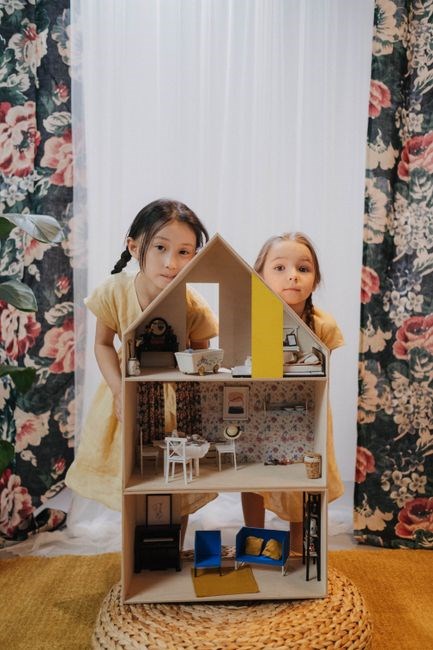
Gabbys Dollhouse coloring PDFs open a world of creative projects that blend art, storytelling, and learning. Parents and teachers can transform a simple coloring sheet into a multi‑step activity: after coloring, children cut out rooms, furniture, and characters to assemble a three‑dimensional model. Using cardstock, glue, and a ruler, they learn geometry and spatial reasoning while practicing fine motor skills. For a tactile experience, add fabric scraps to create curtains or bedding, encouraging texture exploration. Once the dollhouse is built, kids write short scenes or dialogues, fostering narrative skills and vocabulary. Digital versions allow printing on thick paper or cardstock, ideal for long‑lasting projects. Pair the activity with a color‑matching game, where children identify hues and shades, reinforcing color theory. Finally, display the finished dollhouse in a classroom or home gallery, play! These projects turn simple coloring into an engaging, educational adventure. Kids can also use colored pencils or markers to add shading, making each room feel more realistic and fun bright.
Storytelling and Role Play
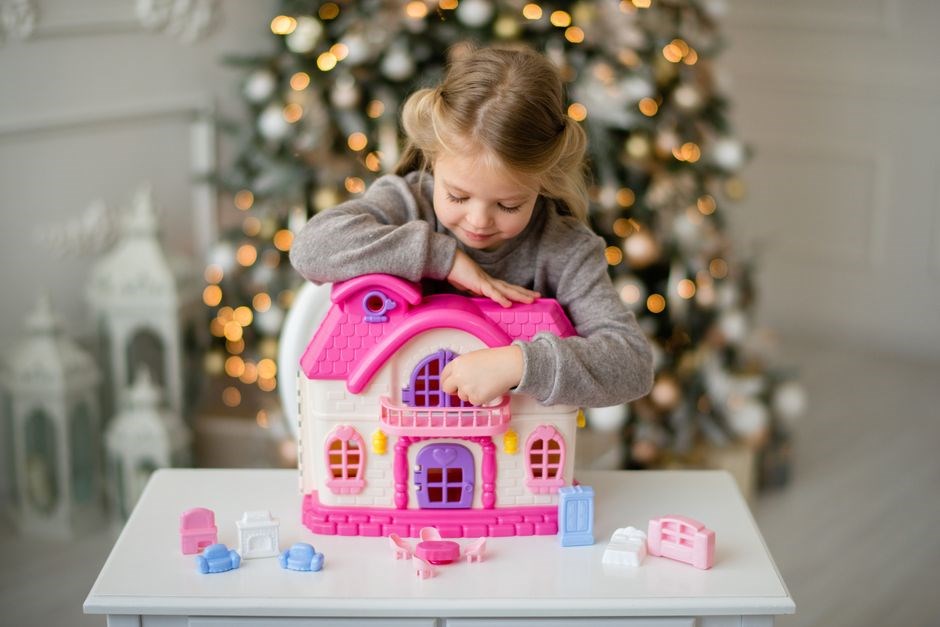
Gabbys Dollhouse coloring PDFs become a gateway to imaginative storytelling and role‑play adventures. After children color each room and character, they can assemble the scenes onto a flat board or a simple cardboard base. Once the miniature world is built, kids invent narratives: a princess in the bedroom, a detective in the study, or a family gathering in the living room. By assigning roles to the colored dolls, children practice dialogue, emotional expression, and social interaction. Teachers can prompt questions like “What happens when the storm arrives?” or “How does the hero solve the mystery?” to spark critical thinking. Parents can record the stories, creating a family audio book that preserves the child’s voice and creativity. Role‑play sessions help develop language skills, empathy, and confidence, while the tactile act of arranging furniture reinforces spatial awareness. The PDFs also offer seasonal themes—Halloween, Christmas, or summer—allowing children to adapt stories to different settings and expand their imaginative repertoire. These pages spark imagination letting kids create stories.
Coloring Skills and Development
Gabbys Dollhouse coloring PDFs provide structured practice that refines fine motor control, hand‑eye coordination, and color recognition. By tracing outlines and filling in detailed rooms, children learn to stay within lines and use shading, which strengthens precision and visual discrimination. The varied themes—from cozy bedrooms to elaborate gardens—encourage experimentation with color palettes, teaching contrast, saturation, and complementary pairing. Repeated exposure to realistic textures, such as wood grain in a dining room or fabric patterns on a sofa, helps develop spatial awareness and depth perception. Parents can guide children to match colors to real‑world references, fostering observational skills and memory recall. Additionally, the act of planning a color scheme before starting promotes sequencing and decision‑making. These PDFs also support early literacy by labeling rooms and objects, allowing children to associate words with images, boosting vocabulary and reading readiness. Overall, the activity nurtures creativity while building foundational academic and motor competencies. Coloring sparks joy
Parenting and Teaching Resources
Gabbys Dollhouse coloring PDFs are a versatile tool for parents and educators seeking to blend creativity with learning. Parents can use the printable pages to create themed craft projects—such as assembling a miniature kitchen or designing a garden—allowing children to explore spatial reasoning while practicing fine motor skills. By encouraging kids to choose colors that match real-life objects, teachers can reinforce color theory, vocabulary, and observational skills. The PDFs also serve as a foundation for narrative play; children can write short stories or dialogues set in the rooms they color, fostering literacy and imaginative thinking. Additionally, educators can incorporate the pages into lesson plans that cover geometry (identifying shapes in room layouts), basic math (counting furniture pieces), and art history (examining design styles). The free, downloadable format ensures accessibility for families with limited resources, while the high-resolution images support clear printing on various paper types. Together, resources empower parents to guide children throughlearn. and encourages collaborative play, boosting teams.