Discover how the Power Foods Diet PDF unlocks balanced nutrition through evidence‑based guidance‚ empowering readers to make informed food choices for vitality and weight management. This guide offers practical steps‚ meal ideas‚ and expert insights. Start today!!.
What is the Power Foods Diet?
The Power Foods Diet is a structured nutritional framework that emphasizes foods rich in essential macronutrients and micronutrients while minimizing processed items. It is built on the premise that certain foods—often referred to as “power foods”—provide a high density of vitamins‚ minerals‚ antioxidants‚ and healthy fats‚ which collectively support metabolic health‚ immune function. By prioritizing these nutrient‑dense options‚ the diet aims to reduce calorie intake without sacrificing satiety or taste‚ making it suitable for individuals seeking weight management or overall wellness.
Participants often report improved digestion‚ clearer skin‚ and steadier blood sugar levels‚ attributing these benefits to the diet’s focus on fiber‑rich produce‚ lean proteins‚ and healthy oils. The PDF also includes practical tips for meal prepping‚ grocery shopping‚ and mindful eating‚ ensuring that the plan is both accessible and adaptable to various lifestyles.
To maximize results‚ the PDF recommends tracking intake with a simple log‚ setting realistic goals‚ and regularly reviewing progress. It also encourages community support through online forums or local groups‚ fostering accountability and motivation throughout the journey.
Readers can also customize portions based on activity level and dietary preferences and thrive
Benefits Overview
The Power Foods Diet PDF outlines a balanced eating plan that prioritizes nutrient‑dense foods like leafy greens‚ fatty fish‚ legumes‚ and whole grains. By focusing on these power foods‚ the diet supports cellular repair‚ hormone balance‚ and immune resilience while keeping calorie intake moderate. Users often note steadier energy‚ better sleep‚ and reduced cravings.
Weight management is achieved by limiting processed sugars and focusing on high‑fiber‚ low‑glycemic foods; The diet’s emphasis on lean proteins and healthy fats helps reduce visceral fat‚ improve HDL cholesterol‚ and stabilize blood sugar. Many users report clearer skin and stronger joints.
Digestive health improves with high fiber and a diverse gut microbiome. Regular bowel movements and reduced inflammation contribute to better nutrient absorption. Users often experience clearer skin‚ reduced acne‚ and improved mood due to balanced blood sugar levels.
Psychological benefits include reduced decision fatigue and increased mindfulness. Structured meal plans foster a sense of control‚ boosting motivation and confidence. Long‑term adherence is supported by the diet’s variety‚ making it easier to maintain healthy habits. Participants also report improved digestion and a stronger sense of well‑being‚ making the diet a comprehensive approach to health daily!

The Power Foods Diet PDF centers on four pillars: nutrient‑dense proteins‚ complex carbs‚ healthy fats‚ and antioxidant produce. Portions now‚ mindful cooking‚ and hydration create a sustainable framework that fuels energy‚ supports immunity‚ and promotes lasting wellness

Essential Power Foods
Essential power foods form the backbone of the Power Foods Diet PDF‚ offering a balanced blend of macronutrients and micronutrients that fuel the body’s systems. First‚ lean proteins such as skin‑less poultry‚ fish‚ and plant‑based options like lentils and chickpeas provide amino acids for muscle repair and hormone production. Next‚ complex carbohydrates from whole grains—quinoa‚ brown rice‚ oats‚ and barley—release glucose steadily‚ sustaining energy without spikes. Healthy fats are crucial; incorporate omega‑3‑rich fatty fish‚ avocado‚ extra‑virgin olive oil‚ and nuts like almonds and walnuts to support brain function‚ reduce inflammation‚ and aid nutrient absorption. Antioxidant‑rich produce—deep‑colored berries‚ dark leafy greens‚ cruciferous vegetables‚ and colorful peppers—boost immune resilience and protect cells from oxidative stress. Finally‚ fermented foods such as yogurt‚ kefir‚ kimchi‚ and miso introduce probiotics that enhance gut health‚ improve digestion‚ and strengthen immunity. Together‚ these foods create a synergistic effect‚ ensuring the diet is not only nutritious but also satisfying and sustainable for long‑term health.
These foods are chosen for their nutrient density and versatility‚ enabling flavorful meals that fit any lifestyle. Pair them with mindful cooking and balanced portions for optimal results. today
Foods to Limit
While the Power Foods Diet PDF emphasizes nutrient‑dense choices‚ certain foods should be minimized to maintain metabolic balance and support long‑term wellness. Highly processed snacks‚ sugary drinks‚ and refined grains contribute excess calories‚ artificial additives‚ and blood‑sugar swings that undermine energy stability. Foods high in saturated fats—such as fried items‚ processed meats‚ and full‑fat dairy—can elevate LDL cholesterol and increase cardiovascular risk. Excess sodium‚ often hidden in canned soups‚ sauces‚ and packaged meals‚ may lead to fluid retention and hypertension. Highly refined sugars‚ including white sugar‚ high‑fructose corn syrup‚ and artificial sweeteners‚ can disrupt insulin sensitivity and promote cravings. Additionally‚ foods with high glycemic indices‚ like instant oatmeal and baked goods‚ should be consumed sparingly to avoid rapid glucose spikes. Limiting these items allows the body to focus on the wholesome‚ whole‑food foundation highlighted in the PDF‚ fostering sustainable weight management and overall vitality. Avoiding these foods reduces inflammation and supports gut health. Limiting processed foods reduces additives and improves sleep. Choosing whole foods over processed options also enhances nutrient absorption and keeps blood sugar levels steady. This approach supports long‑term health and helps maintain a balanced metabolic state. It also promotes satiety‚ reducing the urge to snack on high‑calorie foods. By limiting processed foods‚ you can improve digestion and support overall vitality. Stay mindful of portion sizes. Enjoy the journey! Remember‚ consistency is key. Plan meals ahead. Stay hydrated. Good luck! Enjoy!
Nutrient Balancing
Balancing macronutrients and micronutrients is the cornerstone of the Power Foods Diet PDF. The plan recommends a 40‑30‑30 split—40% carbohydrates 30% protein 30% healthy fats—to keep energy steady and support muscle repair. Each meal should include a source of complex carbs like quinoa sweet potato or whole‑grain bread paired with lean protein such as skinless poultry legumes or low‑fat dairy. Healthy fats—avocado nuts olive oil—provide satiety and essential fatty acids. Micronutrient density is achieved by incorporating a rainbow of vegetables and fruits‚ ensuring adequate vitamin A‚ C‚ K‚ and folate. Calcium and magnesium are emphasized through leafy greens and legumes‚ while iron is sourced from plant‑based foods fortified with vitamin C to enhance absorption. The PDF also advises limiting added sugars to less than 10% of daily calories‚ thereby reducing insulin spikes. Hydration is vital; the guide recommends at least eight cups of water daily supplemented by herbal teas. Portion control is facilitated by using smaller plates and mindful eating practices. Tracking macronutrient intake via a simple spreadsheet or mobile app helps maintain balance. Adjustments can be made for activity level‚ age‚ or specific health goals. The diet encourages seasonal‚ locally sourced foods to maximize freshness and nutrient content. By adhering to these principles‚ users can experience sustained energy‚ improved metabolic health‚ and a clearer path toward weight management. Consistency‚ variety‚ and mindful consumption are the keys to long‑term success. Stay committed and enjoy the journey toward optimal nutrition.

Sample Meal Plans
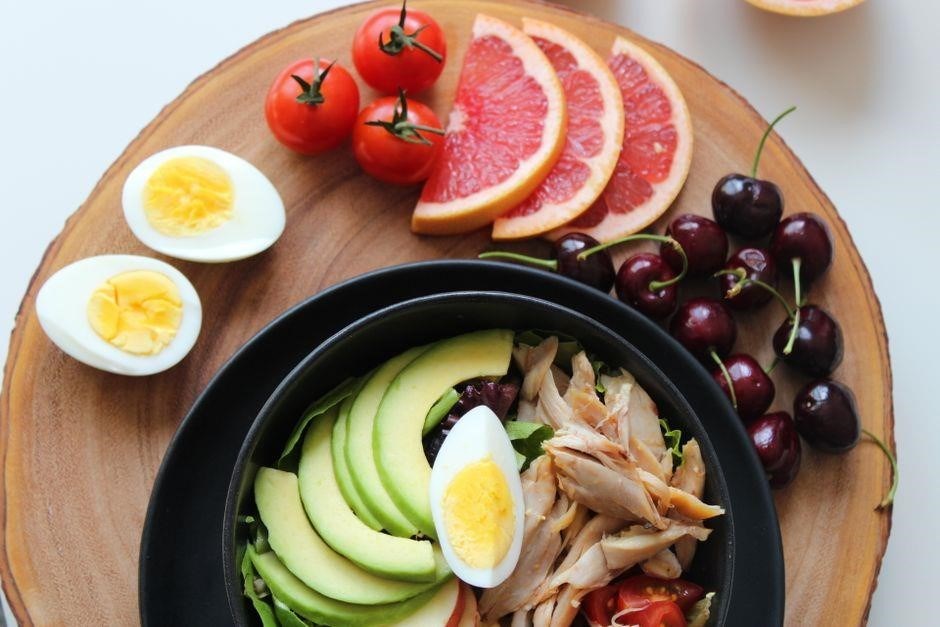
Sample meal plans feature balanced breakfasts‚ lunches‚ dinners‚ and snacks that align with the Power Foods Diet PDF guidelines. Each day offers variety‚ portion control‚ and nutrient density for sustained energy and weight management. Balanced macros guide daily OK!
Breakfast Options
Start your day with nutrient‑rich breakfasts that align with the Power Foods Diet PDF. Each option balances protein‚ healthy fats‚ and complex carbs to keep you full and energized. Below are three versatile ideas‚ each customizable to taste and dietary preferences.
- Oatmeal Power Bowl: Cook steel‑cut oats in unsweetened almond milk‚ top with sliced almonds‚ chia seeds‚ fresh berries‚ and a drizzle of pure maple syrup. Add a scoop of plant‑based protein powder for extra muscle support.
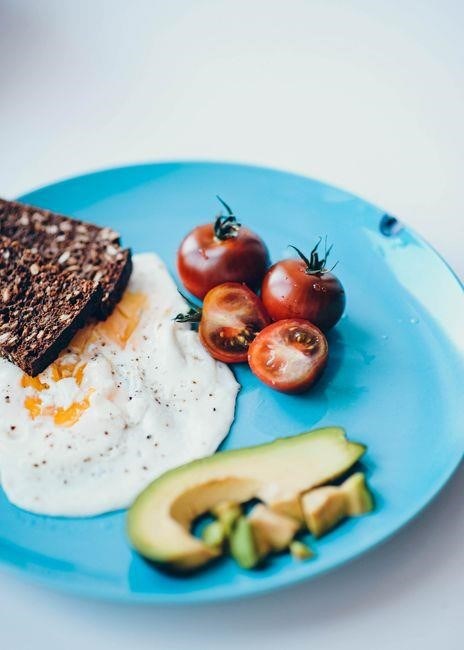
- Veggie‑Egg Scramble: Whisk 2 eggs with spinach‚ diced bell peppers‚ mushrooms‚ and a pinch of turmeric. Serve over a slice of whole‑grain toast and a side of sliced avocado for heart‑healthy fats.
- Greek Yogurt Parfait: Layer plain Greek yogurt with granola‚ sliced kiwi‚ pumpkin seeds‚ and a sprinkle of cinnamon. Finish with a splash of lemon‑infused water for a refreshing twist.
Each breakfast can be adjusted for calorie needs by varying portion sizes or swapping ingredients. For example‚ replace almonds with walnuts‚ or swap berries for sliced banana. These options provide a solid foundation for the rest of your day‚ ensuring steady blood sugar and sustained focus. Enjoy vibrant flavors‚ feel energized‚ stay focused‚ and thrive daily!for all!!
Lunch Ideas
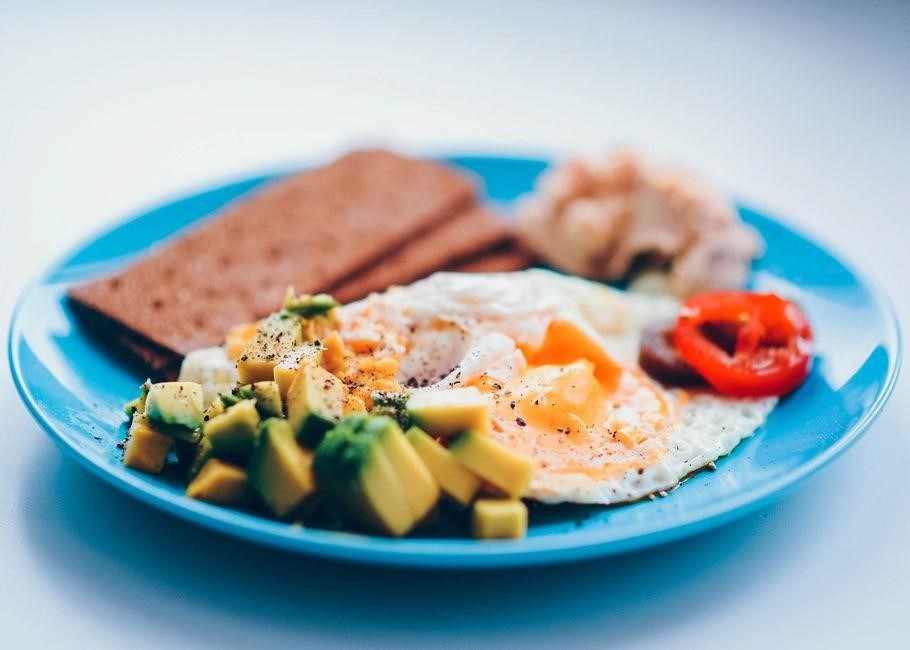
Here are balanced‚ protein‑rich lunch options that fit the Power Foods Diet PDF framework. Each meal combines lean protein‚ fiber‑dense vegetables‚ and wholesome grains to support satiety and steady energy. Adjust portions to match your daily calorie goal.
- Quinoa & Chickpea Salad: Toss cooked quinoa‚ rinsed chickpeas‚ diced cucumber‚ cherry tomatoes‚ red onion‚ and a handful of fresh parsley. Dress with lemon juice‚ extra‑virgin olive oil‚ and a pinch of sea salt. Add a side of grilled chicken breast for extra protein.
- Turkey & Avocado Wrap: Layer sliced turkey breast‚ ripe avocado‚ spinach‚ shredded carrots‚ and a smear of hummus in a whole‑wheat tortilla. Pair with a small side of mixed‑fruit cup for natural sweetness.
- Vegetable Stir‑Fry: Stir‑fry broccoli‚ bell pepper‚ snow peas‚ and sliced shiitake mushrooms in a splash of low‑sodium soy sauce and sesame oil. Serve over brown rice and sprinkle with toasted sesame seeds.
Feel free to swap ingredients—use tofu instead of turkey‚ or swap quinoa for farro. The key is to keep the macro balance: roughly 30% protein‚ 40% carbs‚ 30% healthy fats. Enjoy a flavorful lunch that fuels your afternoon and keeps cravings at bay.
Let the Power Foods Diet PDF guide you toward sustainable habits that nourish both body and mind now.!
Remember‚ consistency is key. Pair each lunch with a glass of water‚ and consider a light walk afterward to aid digestion. Track your portions with a food journal‚ and adjust as you notice changes in energy or satiety. Stay committed‚ and enjoy the journey toward balanced nutrition.
Dinner Ideas
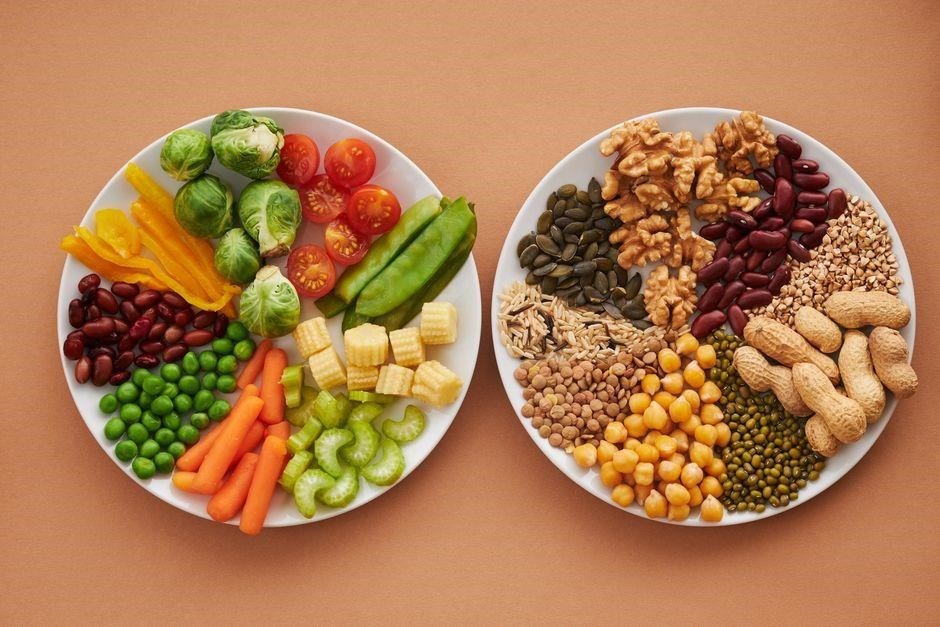
Explore nutrient‑dense‚ low‑calorie dinner options that align with the Power Foods Diet PDF. Each recipe emphasizes lean protein‚ complex carbs‚ and colorful vegetables‚ ensuring satiety and balanced blood sugar. Below are three versatile ideas you can customize based on seasonal produce or personal taste.
- Grilled Salmon with Roasted Brussels Sprouts: Marinate salmon fillets in lemon zest‚ garlic‚ and olive oil. Grill until flaky‚ then serve with roasted Brussels sprouts tossed in balsamic vinegar. Add quinoa for extra fiber. Use herbs for aroma now
- Chicken & Sweet‑Potato Curry: Sauté diced chicken breast with onions‚ ginger‚ and mild curry paste. Add cubed sweet potato‚ spinach‚ and coconut milk. Simmer until thickened‚ then spoon over brown rice. Serve lime
- Vegetarian Stuffed Bell Peppers: Fill bell pepper halves with black beans‚ corn‚ diced tomatoes‚ and brown rice. Top with shredded low‑fat cheese and bake until bubbly. Serve with side salad of mixed greens. Top with cilantro fresh
These meals can be adjusted for portion size or swapped for plant‑based proteins. Pair each dinner with water or herbal tea‚ and finish with a light fruit dessert if desired. Consistency and mindful eating are the keys to long‑term success. Enjoy bright flavors and feel energized throughout‚ day.
Explore nutrient‑dense‚ low‑calorie dinner options that align with the Power Foods Diet PDF. Each recipe emphasizes lean protein‚ complex carbs‚ and colorful vegetables‚ ensuring satiety and balanced blood sugar. Below are three versatile ideas you can customize based on seasonal produce or personal taste. Enjoy!
- Greek Yogurt & Berries: Combine plain‚ low‑fat yogurt with mixed berries and a drizzle of honey. The protein supports muscle repair while antioxidants promote recovery.
- Almond & Celery Sticks: Pair a handful of raw almonds with crisp celery. Healthy fats and fiber help maintain satiety.
- Hummus & Veggie Wrap: Spread hummus on a whole‑wheat tortilla‚ add spinach‚ shredded carrots‚ and sliced cucumber. This balanced snack offers protein‚ fiber‚ and micronutrients.
- Protein Shake: Blend a scoop of plant‑based protein powder with unsweetened almond milk‚ a banana‚ and a pinch of cinnamon. This quick option supports post‑workout recovery.
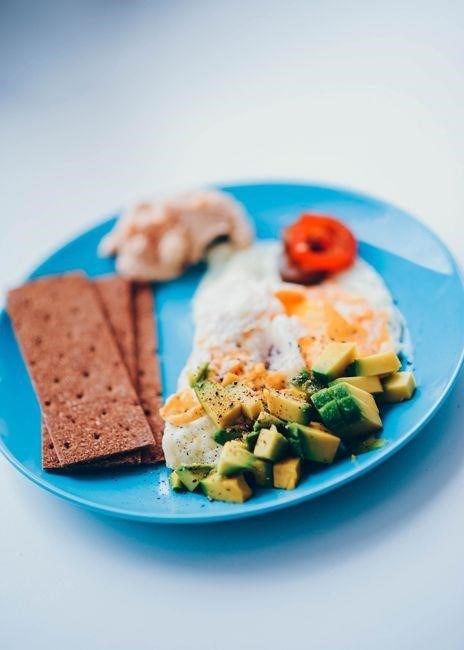
Supplement guidance: Prioritize a high‑quality multivitamin‚ omega‑3 capsules‚ and vitamin D if sun exposure is limited. Avoid excessive vitamin C or iron supplements unless a deficiency is confirmed. Stay hydrated with water or infused herbal teas. Consultdaily for a healthcare professional before starting new regimens.
Accessing & Using the PDF
Download the official PDF from the certified site‚ open with a reader‚ bookmark key sections‚ and print for offline use. Store in a cloud folder for easy access across devices. Follow the included guide for best results. Stay fit.
Where to Download
To obtain the official Power Foods Diet PDF‚ visit the certified nutrition portal at www.powerfoods.com/download. The site hosts a secure‚ HTTPS‑protected page where you can enter your email to receive a one‑time download link. After confirming your address‚ a PDF file will appear in your inbox‚ ready to be saved or printed. For users preferring a direct link‚ the same portal offers a “Download PDF” button that initiates a 5‑minute download‚ ensuring the file is the latest version. If you encounter any issues‚ the help center provides troubleshooting steps and a contact form for support. Additionally‚ the PDF is available through the official app on iOS and Android; simply open the app‚ navigate to the “Resources” tab‚ and tap “Power Foods Diet PDF.” All downloads are verified by a checksum to guarantee file integrity. Once downloaded‚ store the PDF in a cloud folder or on a USB drive for offline access. Remember to keep the file in a secure location to prevent unauthorized distribution. By following these steps‚ you can safely access the complete diet guide and start your nutrition journey today. To ensure you receive the most up‑to‑date version‚ subscribe to the newsletter for alerts on updates and new resources. If you prefer a printed copy‚ the PDF can be printed browser saved to a USB stick for easy sharing today.
How to Read & Store
Once you’ve downloaded the Power Foods Diet PDF‚ open it with a reliable reader such as Adobe Acrobat or a browser’s built‑in viewer. Begin by scanning the table of contents to locate key sections: introduction‚ core components‚ meal plans‚ and customization tips. Use the search function (Ctrl+F) to find specific foods or nutrients quickly. Bookmark frequently referenced pages by clicking the star icon‚ which allows you to jump back to essential recipes or nutrient charts. Store this file in a dedicated folder named “Power Foods Diet” on your desktop or cloud storage (Google Drive‚ OneDrive‚ Dropbox). To protect sensitive data‚ encrypt the folder with a password or use a secure cloud service that offers end‑to‑end encryption. If you prefer a physical copy‚ print the guide on paper‚ and now Keep the printed version in a kitchen binder or a dedicated recipe box for quick reference. When updating your plan‚ download the latest PDF version and replace the old file in the same folder‚ ensuring all bookmarks and links remain intact. For sharing with friends or a dietitian‚ use the “Share” button in the PDF viewer to send a link that opens the document in a web‑based reader‚ preserving formatting and interactive elements. By following these steps‚ you’ll maintain an organized‚ secure‚ and easily accessible resource for your nutrition journey.
Customizing Your Plan
Personalizing the Power Foods Diet PDF involves assessing your goals‚ and condition. Start by reviewing the core food categories or and which foods resonate with your taste preferences and cultural background or; Use the nutrient balancing section to calculate daily macro targets—protein‚ carbs‚ fats—and adjust portion sizes accordingly. If you have dietary restrictions such as gluten intolerance or lactose sensitivity‚ replace the suggested items with suitable alternatives listed in the PDF’s substitution guide. For athletes‚ increase protein intake by adding a lean protein shake or a handful of nuts after workouts. Those aiming for weight loss can reduce overall caloric density by swapping high‑fat snacks for fresh fruit or raw vegetables. Incorporate seasonal produce to keep meals exciting and to benefit from peak nutrient content. Track your progress with a food diary or a mobile app that syncs with the PDF’s recommended meal templates. Every week‚ review your intake‚ adjust portion sizes‚ and experiment with new recipes from the “Snack & Supplement Tips” section. If you experience digestive discomfort‚ consult the PDF’s symptom‑to‑food matrix and eliminate trigger foods. Finally‚ schedule a quarterly review with a registered dietitian or use the PDF’s self‑assessment checklist to ensure your plan remains aligned with health goals.