Manual Brakes: A Comprehensive Overview
Manual brake systems offer a direct connection, prized by racers for enhanced feel and precision, though requiring greater pedal effort from the driver.
These systems, utilizing mechanical force, present a cost-effective initial investment, yet may demand more frequent maintenance compared to power-assisted alternatives.
Manual brake systems represent a foundational approach to vehicle deceleration, relying entirely on the driver’s physical force to actuate the braking mechanism. Unlike power-assisted systems, they lack hydraulic or vacuum boosters, creating a more direct, unamplified connection between the pedal and the brake calipers.
Historically, manual brakes were standard, but advancements brought power assistance for ease of use. However, they remain relevant, particularly in motorsports and classic car restoration where a heightened sense of control is valued. These systems employ a simple principle: direct mechanical linkage translates pedal pressure into braking force.
Understanding manual brakes involves recognizing their inherent characteristics – increased pedal effort, a potentially more granular feel, and a focus on driver input; They are a testament to a purist driving experience.
Historical Context of Manual Brakes
Manual brakes were the sole method of vehicle stopping for the earliest automobiles, dating back to the late 19th and early 20th centuries. These initial systems were rudimentary, often employing cable-operated mechanisms to engage friction surfaces directly against the wheels. As automotive technology evolved, so did braking systems, but the core principle of manual actuation persisted for decades.
Throughout the mid-20th century, manual brakes remained commonplace, particularly in lighter vehicles. However, the demand for increased stopping power and reduced driver effort spurred the development of power-assisted brakes. The introduction of hydraulic and vacuum boosters gradually replaced manual systems in most mainstream applications.
Despite this shift, manual brakes didn’t disappear. They found a niche in racing, where drivers prioritized feel and control, and in classic car restoration, where maintaining originality is paramount.
How Manual Brakes Function: Core Principles
Manual brake systems operate on a straightforward principle: direct mechanical force applied by the driver’s foot translates into stopping power. When the brake pedal is depressed, it actuates a master cylinder, which contains brake fluid. This fluid, under pressure, travels through brake lines to the calipers at each wheel.
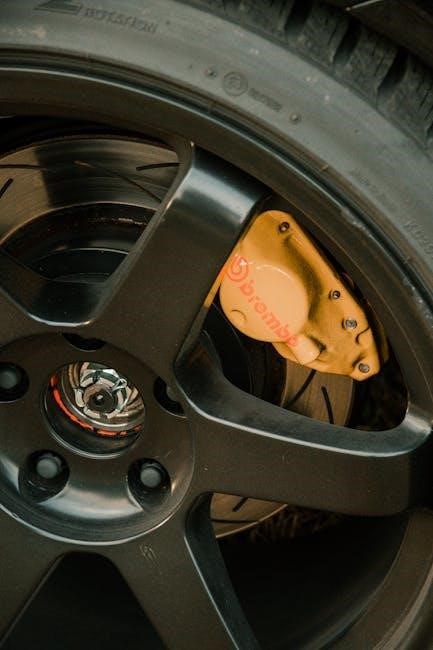
Within the calipers, the hydraulic pressure forces pistons to clamp brake pads against the brake rotors (or drums). This friction generates heat and slows the vehicle’s rotation. Crucially, there’s no assistance from vacuum or hydraulic boosters; all the force originates from the driver’s leg.
The effectiveness relies heavily on the brake pedal ratio and master cylinder bore size, matched to the caliper and pad bite, ensuring sufficient force without excessive effort.
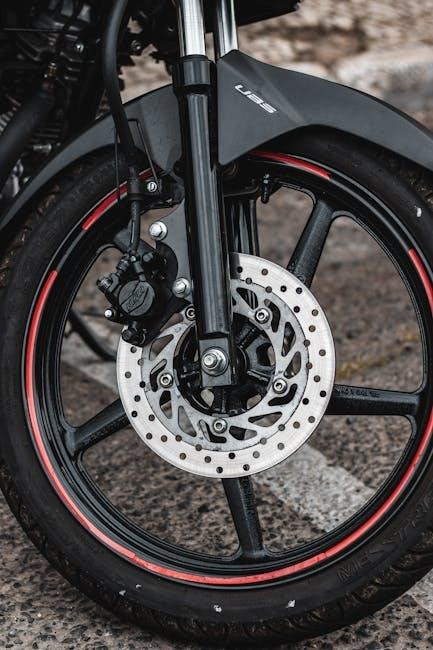
Advantages of Manual Brake Systems
Manual brakes provide superior pedal feel, enhanced control for precise driving, weight reduction, simplicity in design, and a lower initial cost investment.
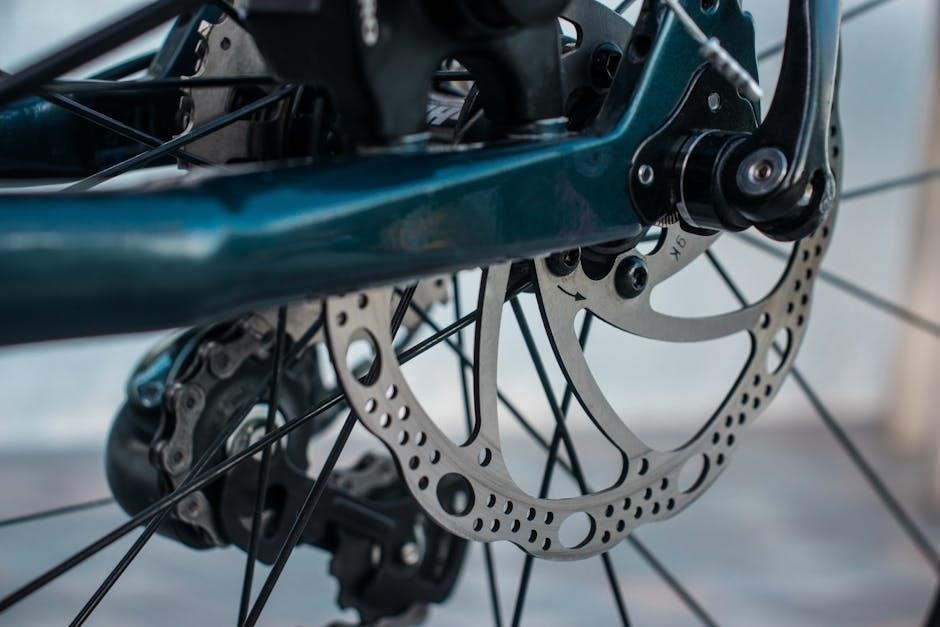
Enhanced Pedal Feel and Control
Manual brake systems are highly regarded for the direct and intimate connection they establish between the driver and the braking process. Unlike power brakes, which introduce assistance, manual systems transmit all forces directly through the pedal.
This direct linkage provides a heightened sense of feel, allowing drivers to precisely modulate braking pressure and intuitively understand the vehicle’s response. Many racing drivers specifically prefer this finer control, as every nuance of feedback can contribute to faster lap times.
When properly configured – with appropriate pedal ratios and master cylinder sizing matched to the calipers – manual brakes can offer a level of precision and responsiveness that power-assisted systems struggle to replicate. This enhanced control is particularly valuable on the track and during performance driving.
Weight Reduction Benefits
One of the appealing aspects of converting to manual brakes is the potential for weight savings, although it’s often a marginal reduction. Eliminating the power brake booster, master cylinder components, and associated hydraulic lines contributes to a lighter overall vehicle.
While the weight difference might not be substantial for street cars, in racing or performance applications where every pound counts, these savings can be significant. Reducing unsprung weight, in particular, can improve handling and responsiveness.
However, it’s important to note that the weight reduction isn’t always a primary motivator for choosing manual brakes; the enhanced feel and control are often more valued. Nevertheless, for those focused on minimizing weight, a manual brake conversion offers a viable, albeit modest, benefit.
Simplicity and Reduced Complexity
Manual brake systems inherently boast a simpler design compared to their power-assisted counterparts. By removing the vacuum or hydraulic booster, along with its associated components, the system becomes less complex. This simplicity translates to fewer potential points of failure, potentially increasing long-term reliability.
The reduced complexity also makes troubleshooting easier, as there are fewer parts to diagnose when issues arise. For enthusiasts who prefer to work on their own vehicles, a manual brake system can be more approachable and manageable.
This streamlined design isn’t just about ease of maintenance; it also contributes to a more direct and predictable braking experience, appealing to drivers who prioritize feel and control over convenience;
Cost-Effectiveness: Initial Investment
One of the most significant advantages of manual brake systems is their lower initial cost. Eliminating the power brake booster, master cylinder variations, and related hydraulic lines directly reduces the parts required for installation. This translates to substantial savings, particularly for budget-conscious builders or those restoring classic vehicles.
While power brake systems often necessitate a larger financial outlay upfront, manual brakes offer a more accessible entry point. This cost-effectiveness makes them an attractive option for projects where maximizing performance within a limited budget is crucial.
However, it’s important to consider potential long-term costs, as manual systems may require more frequent maintenance or component replacement.
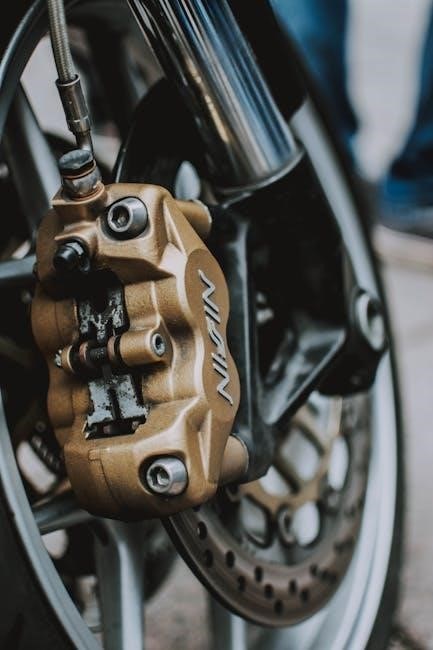
Disadvantages of Manual Brake Systems
Manual brakes demand significantly more physical effort from the driver, potentially leading to fatigue, especially during prolonged use or in heavy traffic conditions.
Increased Pedal Effort Required
A primary drawback of manual brake systems is the substantial increase in pedal effort needed to achieve the same stopping power as power-assisted brakes. Because these systems rely solely on the driver’s leg strength, applying sufficient force can be physically demanding, particularly during extended driving or in stop-and-go traffic.
This heightened effort stems from the absence of hydraulic or vacuum assistance, meaning the driver directly overcomes the braking force. While some drivers, especially in racing, appreciate this direct feel and control, it can be fatiguing for everyday use.
Properly matching the pedal ratio and master cylinder bore to the calipers is crucial to mitigate excessive effort, but even then, it will generally require more force than a power brake setup.
Potential for Driver Fatigue
The increased pedal effort inherent in manual brake systems directly contributes to a higher potential for driver fatigue, especially during prolonged driving sessions or in challenging conditions. Repeatedly applying significant force to the brake pedal can strain leg muscles, leading to discomfort and reduced responsiveness over time.
This fatigue is particularly noticeable in city driving with frequent stops and starts, or on winding roads demanding consistent braking. While experienced drivers can adapt, less conditioned individuals may find manual brakes tiring on longer journeys.
The physical exertion required can also impact driving precision, as fatigue diminishes the driver’s ability to modulate brake pressure effectively and consistently.
Repair and Maintenance Considerations
Manual brake systems, while simpler in design, can present unique repair and maintenance challenges. Although initially cheaper, some sources suggest they may require more frequent attention compared to power brake setups due to the constant mechanical stress on components.
Regular inspection of the master cylinder, brake lines, and wheel cylinders is crucial to prevent leaks and ensure optimal performance. Adjustments to cable tension (in some designs) are also necessary over time.
Wear and tear on friction surfaces, like brake pads and drums/rotors, will necessitate periodic replacement, similar to power brake systems. However, diagnosing issues within the manual linkage can sometimes be more complex.
Not Ideal for Heavy Vehicles
Manual brake systems generally aren’t recommended for heavier vehicles due to the significantly increased pedal effort required to achieve adequate stopping power. The absence of power assistance means the driver must generate all the necessary hydraulic pressure, which becomes substantially more demanding with increased mass.
This can lead to driver fatigue, especially during prolonged driving or in stop-and-go traffic. While appropriate brake pedal ratios and master cylinder sizing can mitigate effort, they cannot entirely eliminate the disadvantage.
Larger, heavier vehicles simply demand more braking force than a manual system can comfortably provide for most drivers, making power brakes a safer and more practical choice.
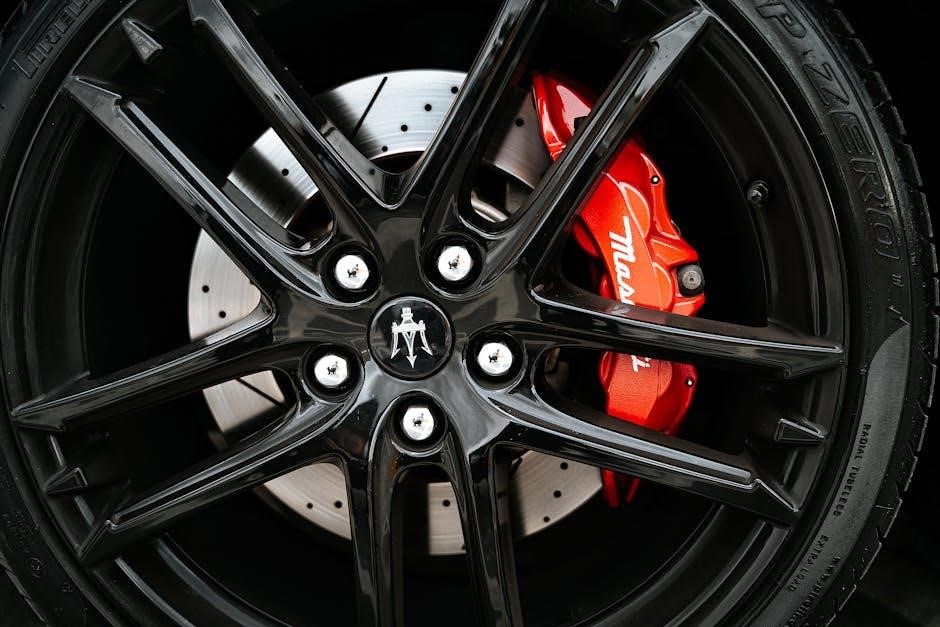
Manual Brakes vs. Power Brakes: A Detailed Comparison
Comparing manual and power brakes reveals a trade-off: manual systems prioritize feel and control, while power brakes offer ease of use and stopping power.
Power Brake Systems: How They Work
Power brake systems fundamentally differ from manual setups by employing an external power source to amplify braking force. Typically, this source is engine vacuum, harnessed through a vacuum booster attached to the master cylinder.
When the driver presses the brake pedal, the booster utilizes this vacuum to significantly increase the hydraulic pressure applied to the brake lines. This amplification dramatically reduces the physical effort required by the driver to achieve effective braking.
Essentially, the power booster acts as a force multiplier, translating a relatively small pedal input into a much larger clamping force at the brake calipers. This results in shorter stopping distances and improved braking performance, particularly crucial for heavier vehicles or demanding driving conditions.
Cost Analysis: Manual vs. Power Brakes (Initial & Long-Term)
Initially, manual brake systems generally present a lower upfront cost compared to their power-assisted counterparts. This is due to the elimination of components like vacuum boosters, master cylinder modifications, and associated plumbing. However, this initial savings can be offset by potential long-term expenses.
Power brakes, while more expensive to install, often demonstrate superior design longevity, potentially requiring fewer repairs over time. Conversely, manual systems, with their simpler construction, may be prone to more frequent maintenance or component replacement.
The overall cost-effectiveness depends heavily on vehicle usage and driving style. For high-performance applications or frequent, demanding use, the durability of power brakes might justify the higher initial investment.

Performance Differences: Street, Track, and Autocross
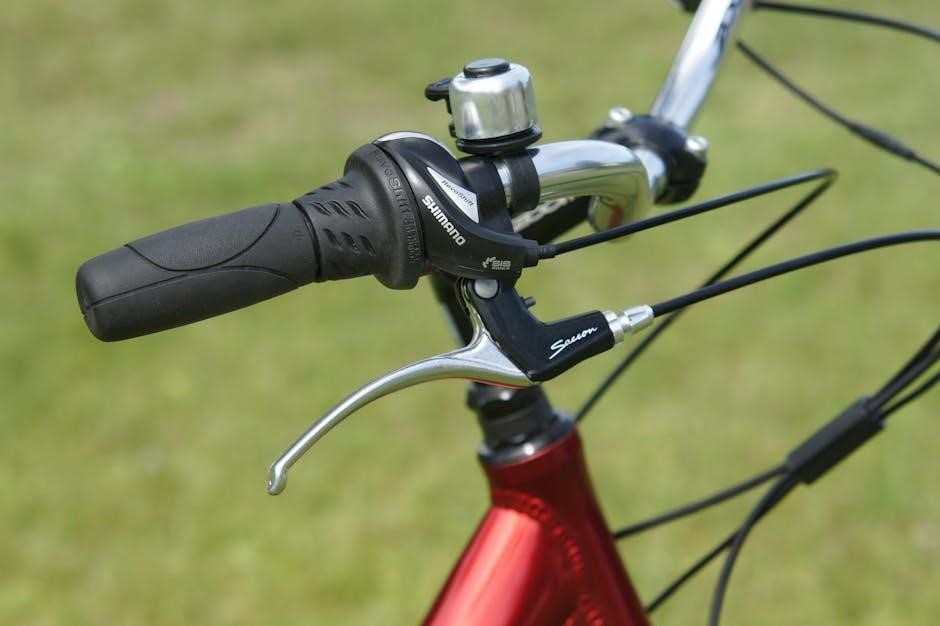
On the street, manual brakes demand greater leg effort, potentially causing fatigue during prolonged or heavy traffic situations. However, skilled drivers appreciate the enhanced pedal feel and direct control they offer, fostering a more connected driving experience.
For track and autocross applications, many racers specifically prefer manual brakes. The precise feedback allows for finer brake modulation, crucial for maximizing performance and achieving consistent lap times. Appropriate brake pedal ratios and master cylinder sizing are key to minimizing effort.
While weight reduction is minimal, the improved feel and control outweigh this factor for competitive driving. Manual brakes enable drivers to confidently approach cornering limits, optimizing braking points and vehicle balance.
Applications of Manual Brake Systems
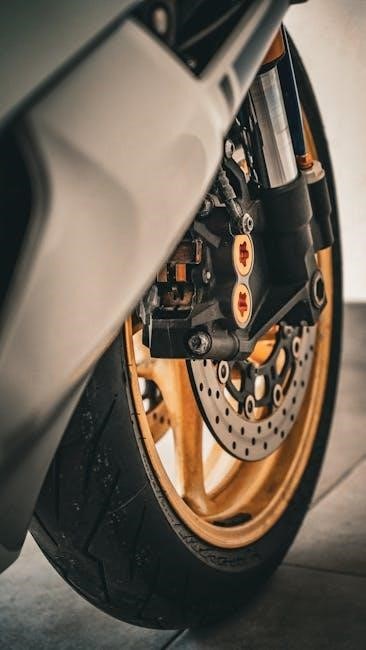
Manual brakes find favor in racing, classic car restoration, and lightweight builds, offering precise control and simplicity where driver feel and weight savings matter.
Racing and Motorsports Applications
Manual brake systems are frequently chosen in racing environments due to the heightened need for precision and feedback. Drivers benefit from a more direct connection to the braking system, allowing for finer control and modulation during critical moments on the track.
Every datum of feedback from the pedal assists in optimizing braking performance, ultimately contributing to faster lap times. While power brakes offer convenience, many racers prioritize the enhanced feel provided by manual setups.
This preference stems from the ability to accurately gauge brake bias and adjust driving style accordingly. The direct link between the driver’s foot and the calipers allows for a more intuitive and responsive braking experience, crucial in competitive motorsports.
Classic Car Restoration and Preservation
Manual brake systems are often integral to maintaining the authenticity of classic car restorations. Many vintage vehicles originally equipped with manual brakes benefit from preserving this original configuration for historical accuracy and collector value.
Restorers prioritize maintaining the vehicle’s original specifications, and converting to power brakes can detract from its authenticity. While modern power brakes offer improved stopping power, they alter the driving experience intended by the original manufacturer.
Preserving the manual system honors the car’s heritage and provides enthusiasts with an authentic driving experience. Careful refurbishment of existing components, rather than replacement with modern alternatives, is key to successful preservation efforts.
Lightweight Vehicle Builds
Manual brake systems are a popular choice in lightweight vehicle builds, particularly where minimizing weight is a primary goal. Eliminating the power brake booster, master cylinder, and associated hydraulic lines contributes to a noticeable reduction in overall vehicle mass.
This weight savings can improve acceleration, handling, and overall performance, especially in track or autocross applications; While requiring increased pedal effort, the direct feel offered by manual brakes appeals to drivers seeking precise control.
Builders often carefully select brake components – master cylinder bore and caliper size – to optimize pedal feel and braking force for the reduced weight. This approach allows for effective stopping power without the added complexity and weight of a power brake system.
Installation and Conversion to Manual Brakes
Converting to manual brakes necessitates specific components, careful safety measures, and diligent troubleshooting of potential issues during the installation process.
Components Required for a Manual Brake Conversion
A successful manual brake conversion demands careful component selection. Crucially, a manual master cylinder, sized appropriately for the calipers, is essential. New brake lines, often stainless steel for improved durability and feel, are also required.
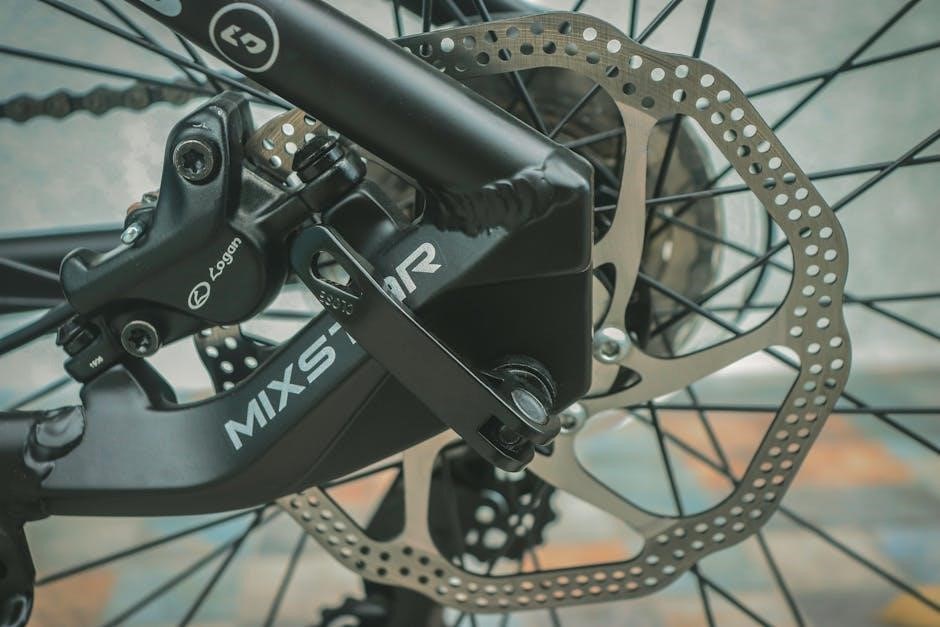
Calipers and rotors must be compatible with the chosen master cylinder bore. Consider upgrading brake pads for enhanced stopping power. Removing the power brake booster and associated vacuum lines is necessary, alongside potentially adapting the brake pedal assembly for optimal leverage.
Don’t forget hardware like new fittings, brake fluid, and potentially a proportioning valve to regulate rear brake pressure. Thoroughly inspect and replace any worn or damaged components during the process for a safe and reliable system.
Safety Precautions During Installation
Prioritizing safety is paramount during a manual brake conversion. Always disconnect the negative battery terminal before commencing work. Properly support the vehicle with jack stands – never rely solely on a jack. Brake fluid is corrosive; wear eye protection and gloves, and clean up spills immediately.
When bleeding the brakes, ensure no air remains in the system, as this compromises stopping power. Double-check all connections for leaks after installation, and before driving. Test the brakes thoroughly in a safe, controlled environment before returning to public roads.
If unsure about any step, consult a qualified mechanic. Incorrect installation can lead to brake failure, posing a serious safety risk.
Troubleshooting Common Issues
Common issues with manual brakes often involve excessive pedal effort or a spongy brake feel. Air in the lines is a frequent culprit, requiring thorough bleeding. Check for leaks at all connections – master cylinder, lines, and calipers. Inspect brake lines for damage or kinks that could restrict fluid flow.
If pedal effort remains high, verify the correct master cylinder bore size for your application. Ensure the brake pedal ratio is appropriately matched to the master cylinder. A malfunctioning master cylinder can also cause problems, necessitating replacement.
Persistent issues may indicate worn brake components, requiring inspection and potential replacement.