Exploring a diverse range of plant-based options—from fruits and vegetables to legumes and grains—is now easier with readily available downloadable grocery lists and charts!
These resources, often in PDF format, simplify meal planning and ensure a nutrient-rich, plant-focused diet, promoting both health and sustainability.
What Defines a Plant-Based Diet?
A plant-based diet prioritizes foods derived from plants, encompassing fruits, vegetables, legumes, grains, nuts, and seeds. While often associated with veganism, it’s a spectrum—some embrace a fully plant-exclusive approach, while others incorporate small amounts of animal products.
Crucially, the focus remains on whole, minimally processed plant foods. Resources like downloadable PDF grocery lists are invaluable for navigating this lifestyle, offering structured guidance on essential items. These lists frequently categorize foods, ensuring a balanced intake of nutrients.
PDF charts detailing vitamin C-rich plant sources, for example, aid in targeted nutritional planning. The “Yes List” and “No List” approaches, sometimes found in accompanying materials, further clarify dietary choices. Ultimately, a plant-based diet isn’t about restriction, but about abundance—embracing the vast variety of flavors and health benefits plants offer.
Benefits of a Plant-Based Eating Plan
Adopting a plant-based eating plan offers a wealth of health advantages, supported by readily available resources like downloadable PDF guides. These guides often highlight the nutritional power of plant foods, emphasizing their role in disease prevention.
Studies suggest plant-based diets can lower the risk of heart disease, type 2 diabetes, and certain cancers. The abundance of fiber promotes digestive health, while vitamins and minerals bolster the immune system. Utilizing a PDF shopping list ensures access to these beneficial foods.
Furthermore, plant-based eating is environmentally sustainable. PDF charts detailing protein sources demonstrate that adequate intake is easily achievable without relying on animal products. By focusing on whole, plant-derived foods, individuals can improve their well-being and contribute to a healthier planet.
Core Plant-Based Food Groups
Essential plant-based groups—fruits, vegetables, legumes, grains, nuts, and seeds—form the foundation of a healthy diet, easily tracked with helpful PDF lists!
Fruits: A Colorful Spectrum
Fruits offer a delightful array of flavors and vital nutrients, forming a cornerstone of any plant-based eating plan. Convenient PDF shopping lists often highlight popular choices like bananas, apples, pears, and a vibrant selection of berries – strawberries, blackberries, blueberries, and raspberries.
Beyond these staples, consider incorporating watermelon, pineapple, oranges, lemons, and limes for a boost of Vitamin C. Stone fruits such as peaches, nectarines, cherries, and plums add seasonal sweetness, while cantaloupe and honeydew provide refreshing hydration.
These lists are invaluable for beginners, ensuring a diverse intake of essential vitamins and antioxidants. Utilizing a downloadable PDF simplifies grocery shopping and encourages exploration of the wide variety of plant-based fruit options available.
Berries (Strawberries, Blueberries, Raspberries)
Berries – strawberries, blueberries, and raspberries – are nutritional powerhouses, frequently featured on plant-based grocery lists in PDF format. These small fruits are packed with antioxidants, vitamins, and fiber, contributing significantly to overall health.
PDF shopping guides often categorize berries as essential components of a balanced diet, recommending their inclusion in breakfasts, snacks, or desserts. Their natural sweetness makes them a satisfying alternative to processed sugars.
Downloadable lists emphasize the convenience of frozen berries, offering a year-round supply of these beneficial fruits. They are incredibly versatile, perfect for smoothies, yogurt toppings, or simply enjoyed on their own. Prioritizing berries supports a vibrant and health-conscious plant-based lifestyle.
Citrus Fruits (Oranges, Lemons, Limes)
Citrus fruits – oranges, lemons, and limes – are staples on comprehensive plant-based food lists, often available as downloadable PDFs. These vibrant fruits are renowned for their high Vitamin C content, boosting immunity and promoting skin health.
PDF grocery guides frequently highlight citrus as excellent additions to meals and beverages, offering a refreshing and tangy flavor. They are incredibly versatile, perfect for juices, salads, marinades, or simply enjoyed as a snack.
Downloadable resources often suggest keeping a supply of citrus on hand for quick and healthy additions to any plant-based diet. Their natural acidity aids digestion and enhances nutrient absorption, making them a vital component of a well-rounded eating plan.

Stone Fruits (Peaches, Nectarines, Plums)
Stone fruits – peaches, nectarines, and plums – are frequently featured on plant-based food lists, often available as convenient downloadable PDFs. These fruits offer a delightful sweetness and a satisfying texture, making them a popular choice for those embracing a plant-focused lifestyle.
PDF grocery lists often categorize stone fruits as excellent sources of vitamins and antioxidants, contributing to overall health and well-being. They are versatile ingredients, perfect for snacking, desserts, or adding to salads and smoothies.
Downloadable guides emphasize the importance of incorporating a variety of fruits, including stone fruits, into a balanced diet. Their natural sugars provide energy, while their fiber content aids digestion, making them a nutritious and delicious addition to any plant-based meal plan.
Vegetables: Nutrient Powerhouses
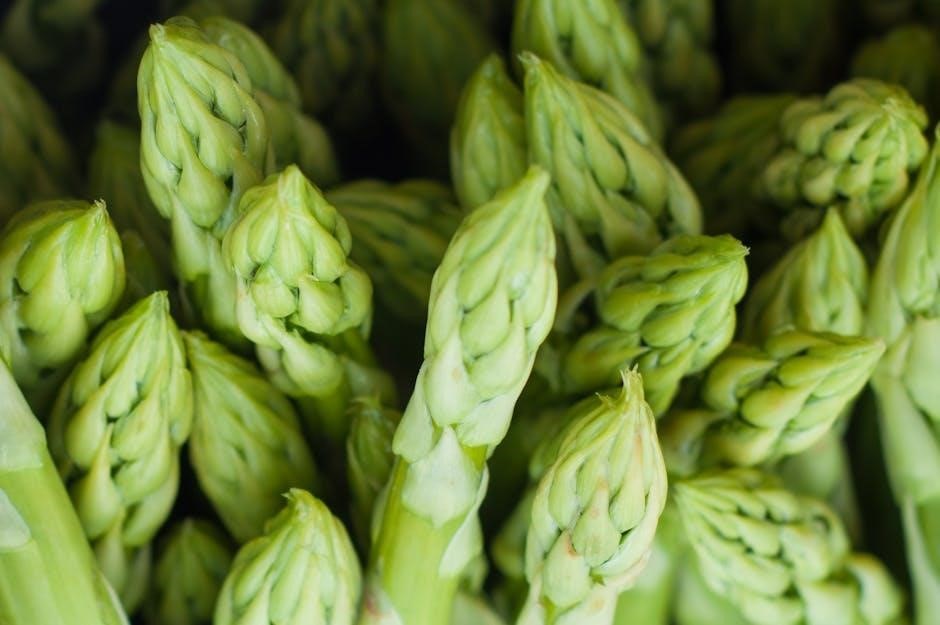
Vegetables are foundational to any plant-based diet, and comprehensive lists, often available as downloadable PDFs, highlight their incredible nutritional value. These guides categorize vegetables based on type – leafy greens, cruciferous, root vegetables, and more – simplifying grocery shopping and meal planning for those new to plant-based eating.
PDF resources emphasize that vegetables are packed with essential vitamins, minerals, and fiber, contributing to improved health and disease prevention. They are incredibly versatile, lending themselves to countless culinary creations, from simple steamed sides to elaborate main courses.
Many plant-based food lists recommend prioritizing a colorful variety of vegetables to ensure a broad spectrum of nutrients. These downloadable charts often include specific serving suggestions and preparation tips, making it easier to incorporate these nutrient powerhouses into daily meals.
Leafy Greens (Spinach, Kale, Lettuce)
Leafy greens – spinach, kale, lettuce, and their many varieties – are staples in plant-based diets, frequently featured on downloadable food lists in PDF format. These resources highlight their exceptional nutrient density, emphasizing their rich content of vitamins A, C, and K, alongside folate and fiber.
PDF guides often detail the unique benefits of each green; kale, for instance, is lauded for its high calcium content, while spinach provides a good source of iron. These lists encourage incorporating leafy greens daily, suggesting versatile uses in salads, smoothies, stir-fries, and even soups.
Many plant-based grocery lists categorize leafy greens for easy identification, and some even include preparation tips to maximize nutrient absorption and palatability. They are a cornerstone of a healthy, plant-powered lifestyle.
Cruciferous Vegetables (Broccoli, Cauliflower, Cabbage)
Cruciferous vegetables – broccoli, cauliflower, cabbage, and Brussels sprouts – are prominently featured on comprehensive plant-based food lists, often available as downloadable PDFs. These guides emphasize their potent health benefits, stemming from compounds like glucosinolates, believed to have cancer-preventative properties;
PDF resources detail the nutritional profiles of each vegetable, highlighting their high fiber content, vitamin C, and folate levels. They often suggest diverse cooking methods – steaming, roasting, or stir-frying – to preserve nutrients and enhance flavor.
Plant-based grocery lists frequently categorize these vegetables for convenient shopping, and some include recipe ideas to inspire their inclusion in meals. They are essential components of a well-rounded, plant-focused dietary pattern.
Legumes: Protein and Fiber Rich
Legumes – encompassing beans (kidney, black, pinto), lentils, and peas – are consistently highlighted as protein and fiber powerhouses within plant-based food lists, frequently offered as downloadable PDFs. These resources underscore their importance for satiety, digestive health, and muscle maintenance on a plant-focused diet.
PDF guides often detail the protein content per serving, comparing them favorably to animal sources. They also provide cooking tips, such as soaking dried beans to improve digestibility and reduce cooking time.
Comprehensive plant-based grocery lists categorize legumes for easy shopping, and many include recipe suggestions – from hearty stews and chili to flavorful salads and dips – demonstrating their versatility.
Beans (Kidney, Black, Pinto)
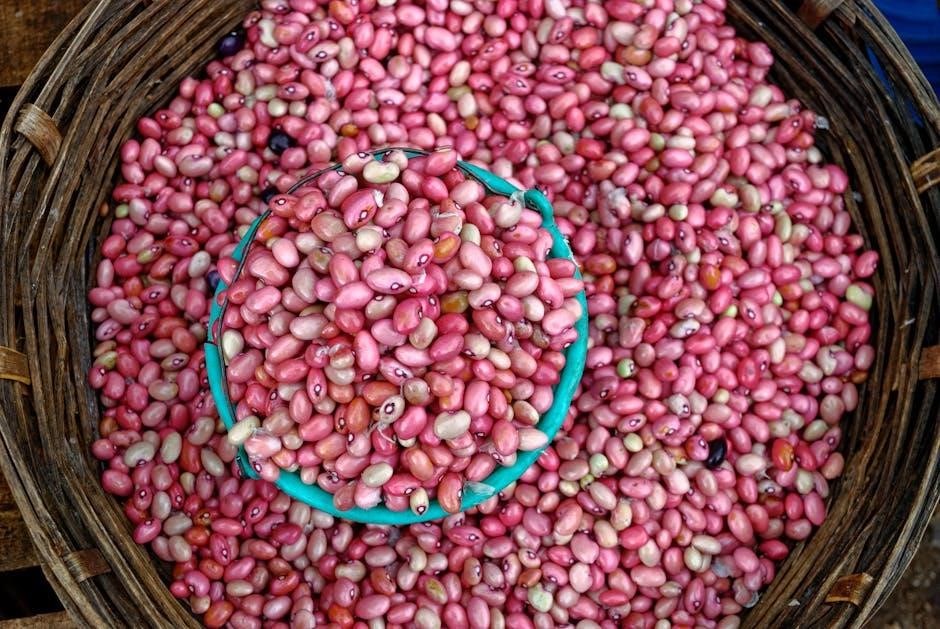
Downloadable plant-based food lists, often in PDF format, consistently feature kidney, black, and pinto beans as essential staples. These resources emphasize their high protein content – crucial for plant-based diets – and their impressive fiber levels, aiding digestion and promoting fullness.
PDF guides frequently detail nutritional information per serving, highlighting their iron and folate content. Shopping lists categorize these beans for convenience, and some include preparation tips, like soaking dried beans overnight to reduce cooking time and improve digestibility.
Recipe suggestions within these PDFs showcase the versatility of beans, from classic chili and hearty stews to flavorful bean burgers and vibrant salads, making them accessible for beginners.
Lentils: Versatile and Nutritious
Plant-based food PDFs consistently highlight lentils as a nutritional powerhouse and a remarkably versatile ingredient. These downloadable resources emphasize their high protein content, often comparing favorably to meat sources, making them ideal for vegan and vegetarian meal planning.
PDF guides detail the various types of lentils – red, green, brown, and black – and their differing cooking times and textures. Shopping lists categorize lentils alongside other legumes, simplifying grocery shopping, while nutritional charts showcase their iron, folate, and fiber benefits.
Recipe sections within these PDFs demonstrate lentil’s adaptability, from hearty soups and stews to flavorful curries and even lentil “meatloaf,” promoting easy integration into diverse diets.
Grains: Whole Grain Options
Plant-based food PDFs frequently champion whole grains as essential components of a balanced diet, often contrasting them with refined grain alternatives. Downloadable shopping lists categorize grains, emphasizing options like quinoa and brown rice, alongside other staples.
These resources detail the nutritional benefits of whole grains – fiber, vitamins, and minerals – and their role in sustained energy levels. Charts within the PDFs often compare the nutritional profiles of different grains, aiding informed choices.
PDF recipe sections showcase versatile grain applications, from breakfast porridges and side dishes to salads and grain bowls, promoting easy integration into daily meals. They highlight grains as a foundational element of plant-based nutrition.
Quinoa: A Complete Protein Source
Plant-based food PDFs consistently highlight quinoa as a nutritional powerhouse, particularly emphasizing its status as a “complete protein.” Downloadable guides often feature quinoa prominently in protein-rich meal plans and shopping lists.
These resources detail how quinoa contains all nine essential amino acids, making it a valuable protein source for those following plant-based diets. Charts within the PDFs frequently compare quinoa’s protein content to other grains and legumes.
PDF recipe sections showcase quinoa’s versatility – from salads and bowls to breakfast dishes and even desserts – promoting its easy incorporation into various meals. They often include information on different quinoa varieties and cooking methods.
Brown Rice: A Staple Grain
Many plant-based food PDFs categorize brown rice as a foundational staple, frequently appearing on vegan grocery lists and within meal planning sections. These downloadable guides emphasize its role as a complex carbohydrate providing sustained energy.
PDF charts often compare the nutritional profiles of brown rice versus white rice, highlighting the superior fiber content and micronutrient density of the whole grain version. Recipes included in these resources demonstrate brown rice’s adaptability – from stir-fries and pilafs to rice bowls and salads.
Information within the PDFs stresses the importance of choosing whole grain options like brown rice for optimal health benefits, aligning with the principles of a plant-based lifestyle. They also provide guidance on proper cooking techniques to ensure a fluffy and flavorful result.
Nuts and Seeds: Healthy Fats and Minerals
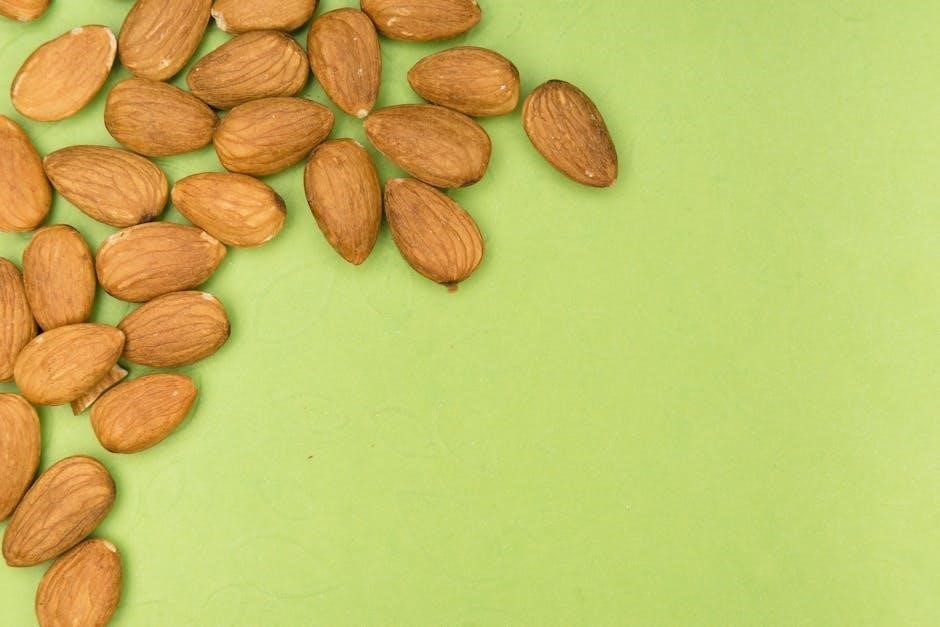
Plant-based food PDFs consistently feature nuts and seeds as crucial components, often dedicating sections to their nutritional benefits and versatile uses. Downloadable grocery lists frequently include almonds, walnuts, chia seeds, and flaxseeds, emphasizing their role as sources of healthy fats, protein, and essential minerals.
These resources highlight the importance of incorporating nuts and seeds into a plant-based diet for optimal health, detailing their contributions to heart health and cognitive function. Charts within the PDFs often compare the nutrient profiles of different nuts and seeds, aiding informed choices.
Recipes accompanying these lists demonstrate how to integrate them into meals and snacks – from adding chia seeds to smoothies to using almond flour in baking. PDFs also offer storage tips to maintain freshness and prevent rancidity.
Almonds and Walnuts
Plant-based food PDFs frequently spotlight almonds and walnuts due to their exceptional nutritional profiles. Downloadable grocery lists consistently include these nuts, often specifying raw, unsalted varieties for optimal health benefits. Charts within these PDFs detail their vitamin E, magnesium, and healthy fat content, emphasizing their role in heart health.
These resources often highlight almonds as a good source of calcium, crucial for plant-based diets, and walnuts for their omega-3 fatty acids, supporting brain function. Recipes accompanying the lists demonstrate versatile uses – almond flour in baking, walnuts in salads or as a snack.
PDFs may also include information on portion control, as nuts are calorie-dense, and storage tips to maintain freshness. Some lists categorize them under “healthy fats” or “protein sources,” reinforcing their dietary importance.
Chia Seeds and Flaxseeds
Plant-based food PDFs consistently feature chia seeds and flaxseeds, emphasizing their potent nutritional benefits. Downloadable grocery lists often categorize them within the “nuts and seeds” section, highlighting their versatility. Charts detail their high fiber content, omega-3 fatty acids (particularly ALA in flaxseeds), and mineral composition.
These resources frequently explain how to incorporate them into the diet – adding to smoothies, oatmeal, or using as egg replacements in baking (chia seed “eggs”). PDFs may also detail the importance of grinding flaxseeds for optimal nutrient absorption.
Information within these PDFs often stresses their role in digestive health and heart health. Some lists provide conversion ratios (e.g., 1 tablespoon chia seeds = 1 egg), simplifying recipe adaptation for plant-based cooking.

Plant-Based Alternatives
PDF guides showcase plant-based milks (almond, soy, oat) and protein sources (tofu, tempeh, seitan) as easy swaps, simplifying a transition to plant-focused eating!
Plant-Based Milks (Almond, Soy, Oat)
Transitioning to plant-based living often begins with milk alternatives, and thankfully, numerous resources – frequently available as downloadable PDFs – detail the nutritional profiles and uses of options like almond, soy, and oat milk.
These guides often compare the calcium, vitamin D, and protein content of each type, helping individuals make informed choices based on their dietary needs. Almond milk, known for its lower calorie count, is a popular choice, while soy milk provides a comparable protein level to dairy milk.
Oat milk, celebrated for its creamy texture, is excellent in coffee and smoothies. Many PDFs also include recipes utilizing these milks in baking, cooking, and beverages, demonstrating their versatility. Furthermore, some charts highlight potential allergens and sustainability considerations associated with each plant-based milk, empowering consumers to make responsible decisions.
Finding a comprehensive PDF can streamline the selection process and unlock a world of plant-based possibilities!
Plant-Based Protein Sources (Tofu, Tempeh, Seitan)
Achieving adequate protein intake on a plant-based diet is easily attainable with diverse sources like tofu, tempeh, and seitan, often detailed in downloadable PDF guides.
These resources frequently showcase the protein content per serving, alongside information on preparation methods and culinary applications. Tofu, a soybean curd, is incredibly versatile, absorbing flavors beautifully in stir-fries and scrambles. Tempeh, fermented soybeans, offers a firmer texture and nutty flavor, ideal for sandwiches and salads.
Seitan, crafted from wheat gluten, boasts a meat-like texture and is excellent for grilling or roasting. PDFs often include recipes demonstrating how to incorporate these protein powerhouses into various meals. Charts may also compare amino acid profiles and highlight potential allergen information.
A well-structured PDF simplifies navigating these options and ensures a protein-rich, plant-based lifestyle!
Resources & Further Information
Downloadable vegan grocery lists and vitamin charts (PDFs) are readily available, simplifying plant-based eating and ensuring nutritional completeness for beginners and experts.
Downloadable Vegan Grocery Lists (PDF Format)
Accessing pre-made vegan grocery lists in PDF format is a fantastic starting point for anyone transitioning to, or refining, a plant-based lifestyle. These lists, often categorized by food groups – fruits, vegetables, legumes, grains, nuts, and seeds – streamline the shopping process and minimize overwhelm.
Many resources offer both basic and more comprehensive lists, catering to different dietary needs and preferences. Some lists even include suggested snack options, ensuring you’re prepared for healthy eating throughout the week.
Digital versions allow for easy access on smartphones, making grocery shopping more convenient than ever. Printable PDFs are also available for those who prefer a tangible checklist. Look for lists that highlight high-protein plant foods, like seitan, tofu, tempeh, and edamame, to ensure adequate protein intake.
These downloadable resources are invaluable tools for building a well-rounded, plant-based pantry and simplifying meal planning, ultimately supporting a healthier and more sustainable way of eating.
Vitamin C Rich Plant Foods Chart (PDF)
A dedicated Vitamin C rich plant foods chart, readily available in PDF format, is an essential resource for optimizing your intake of this crucial nutrient through a plant-based diet. Vitamin C, a powerful antioxidant, supports immune function and overall health.
These charts typically categorize fruits and vegetables by their Vitamin C content, allowing you to easily identify excellent sources. Expect to find prominent listings for citrus fruits like oranges, lemons, and limes, alongside berries – strawberries, blueberries, and raspberries.
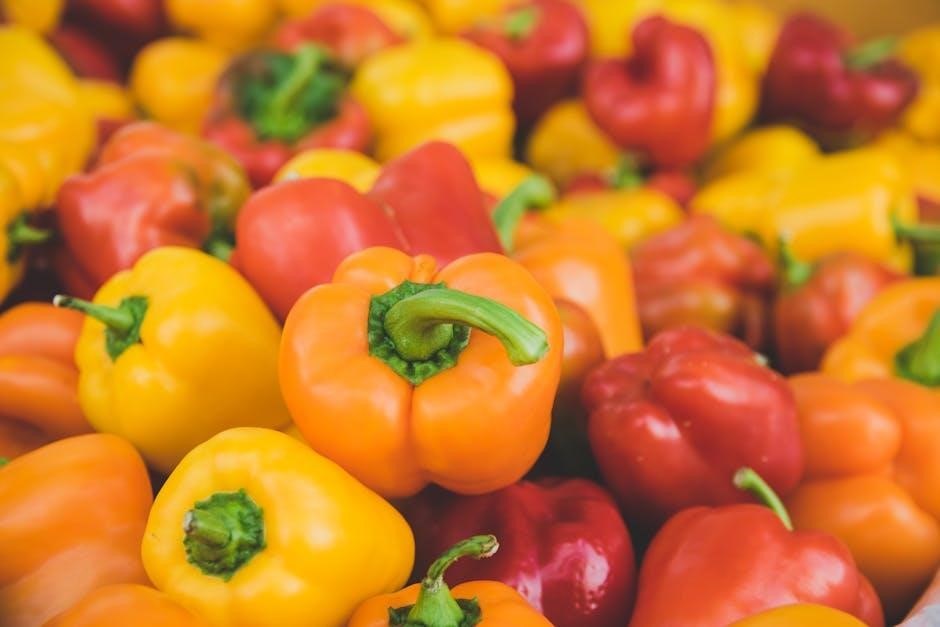
Beyond these familiar options, charts also highlight surprising sources like bell peppers, broccoli, and even dark leafy greens; A well-designed chart will present information clearly, perhaps using a color-coded system or ranking to indicate Vitamin C levels.
Utilizing such a chart ensures you’re incorporating a variety of Vitamin C-packed plant foods into your meals, contributing to a robust immune system and overall well-being. It’s a practical tool for informed dietary choices.