Choosing the right running shoes is essential for comfort‚ performance‚ and injury prevention. This guide helps you understand foot types‚ running styles‚ and key shoe features to find your perfect fit.
Why Proper Fit Matters in Running Shoes
A proper fit in running shoes is crucial for comfort‚ performance‚ and injury prevention. Poorly fitting shoes can lead to discomfort‚ fatigue‚ and even injuries like blisters or plantar fasciitis. Well-fitting shoes provide the necessary support and cushioning‚ ensuring optimal performance and reducing the risk of harm. Whether you’re a casual jogger or a competitive athlete‚ the right fit enhances your running experience and helps you achieve your goals.
Overview of Key Factors in Shoe Fit
Key factors in shoe fit include length‚ width‚ cushioning‚ support‚ and overall comfort. Proper length ensures toes aren’t cramped‚ while width accommodates foot shape without excess space. Cushioning and support vary based on running style and foot type. The shoe should feel snug but not tight‚ providing stability during runs. Ensuring these elements align with individual needs is essential for optimal performance and comfort.
Understanding Foot Types and Running Styles
Understanding your foot type and running style is crucial for selecting the right shoe. Flat feet‚ high arches‚ and neutral feet each require specific support. Pronation‚ supination‚ and neutral running styles further guide shoe choice‚ ensuring optimal comfort and performance.
Common Foot Types: Flat Feet‚ High Arches‚ and Neutral Feet
Foot types vary‚ and understanding yours is key to proper shoe fit. Flat feet have a low or no arch‚ often leading to overpronation. High arches are prominent and rigid‚ prone to underpronation or supination. Neutral feet fall in between‚ with a moderate arch. Each type requires specific support and cushioning to prevent discomfort or injury. Recognizing your foot type helps tailor your shoe choice for optimal performance and comfort during runs.
Running Styles: Pronation‚ Supination‚ and Neutral Running
Running styles are shaped by how your foot strikes the ground. Pronation is the inward roll of the foot during stride‚ natural for absorbing shock. Supination is the outward roll‚ less common and linked to higher injury risk. Neutral running balances both‚ offering efficient energy transfer. Understanding your running style helps match shoes to your needs‚ optimizing comfort and performance while minimizing injury risks. Proper alignment ensures a smoother‚ more enjoyable run.
How Foot Type and Running Style Influence Shoe Choice
Your foot type and running style directly impact the shoe features you need. For example‚ flat feet often require more supportive shoes‚ while high arches may need extra cushioning. Pronation calls for stability or motion control shoes‚ whereas supination demands neutral or cushioned options. Neutral runners can opt for balanced shoes. Understanding this connection ensures proper support‚ enhances comfort‚ and reduces injury risks‚ making it vital for selecting the right footwear for optimal performance and protection during runs.
Gait Analysis and Shoe Selection
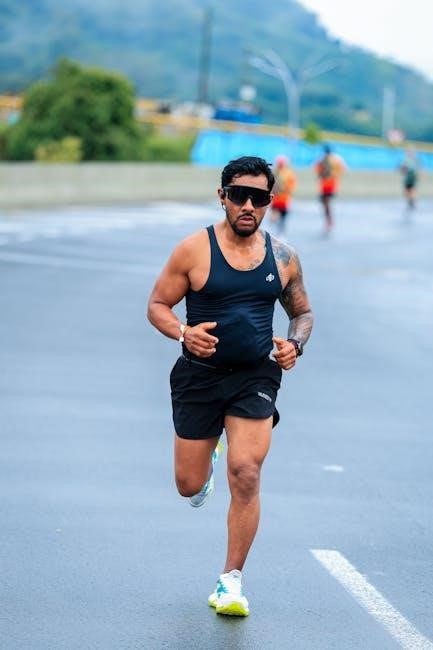
Gait analysis evaluates your running pattern to identify pronation‚ supination‚ or neutral foot strikes‚ helping select shoes with the right support and cushioning for optimal comfort and performance.
What is Gait Analysis and Why is it Important?
Gait analysis is the study of how you walk or run‚ assessing foot strike‚ pronation‚ and movement patterns. It helps identify biomechanical inefficiencies and injury risks. By understanding your gait‚ specialists can recommend shoes that align with your foot mechanics‚ improving comfort‚ reducing injury chances‚ and enhancing performance. Accurate gait analysis ensures proper footwear selection‚ addressing issues like overpronation or supination‚ and optimizing running efficiency. It’s a crucial step in choosing the right shoes for your unique running style and foot characteristics.
How to Get a Professional Gait Analysis
A professional gait analysis is typically offered at specialty running stores. Experts use video recording and treadmills to assess your running or walking pattern. They observe foot strike‚ pronation‚ and movement efficiency. The process is usually free and provides valuable insights. To get accurate results‚ wear your current running shoes and run naturally during the test. This analysis helps identify your specific needs‚ ensuring the best shoe recommendation for your unique biomechanics and running style.

Using Gait Analysis Results to Choose the Right Shoe
After a gait analysis‚ experts will match your foot strike pattern‚ pronation‚ and movement efficiency to specific shoe features. For example‚ overpronators may need stability or motion control shoes‚ while neutral runners can opt for cushioned models. The analysis highlights your unique needs‚ ensuring the recommended shoes provide the right balance of support‚ cushioning‚ and flexibility. This tailored approach enhances performance‚ reduces injury risk‚ and improves comfort‚ making your runs more enjoyable and effective.
Features to Look for in Running Shoes
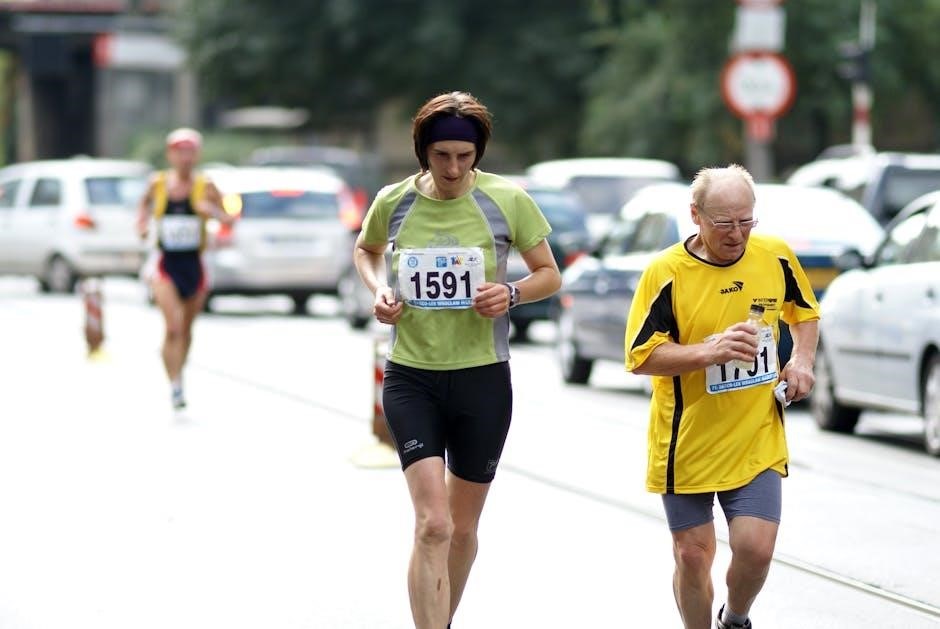
Look for cushioning‚ support‚ breathability‚ and durability. Choose shoes with responsive midsoles‚ breathable uppers‚ and traction that suits your running surface for optimal performance and comfort.
Cushioning: What to Look for in Different Running Scenarios
Cushioning is crucial for comfort and impact absorption. For long-distance runs‚ opt for maximal cushioning to reduce fatigue. Sprinting requires firmer‚ responsive cushioning for energy return. Trail running needs balanced cushioning for uneven terrain‚ while daily training benefits from moderate cushioning. Choose shoes with EVA or Boost midsoles for durability and shock absorption. Lighter runners may prefer softer cushioning‚ while heavier runners need firmer support. Proper cushioning enhances performance and reduces injury risk‚ tailoring to your running style and distance.
Support: Understanding Stability and Motion Control
Support in running shoes refers to features that stabilize the foot during movement. Stability shoes offer mild to moderate support for runners with mild pronation‚ while motion control shoes provide maximum support for severe overpronation. Key features include dual-density midsoles‚ stiffer heels‚ and supportive arches. Runners with flat feet or those who overpronate benefit most from these designs. Proper support enhances stability‚ reduces injury risk‚ and improves running efficiency. Choose based on your pronation level and running style for optimal performance and comfort.
Traction: Choosing the Right Tread for Your Running Surface
Traction in running shoes is crucial for grip and stability on various surfaces. Road running shoes feature durable rubber outsoles with tread patterns designed for asphalt and concrete. Trail shoes have aggressive lugs for off-road terrain‚ providing better grip on mud and rocks. Traction needs vary by surface‚ so selecting the right tread ensures optimal performance and safety. Proper tread design enhances confidence and reduces the risk of slipping‚ making it a vital factor in your shoe selection.
Size and Fit Considerations
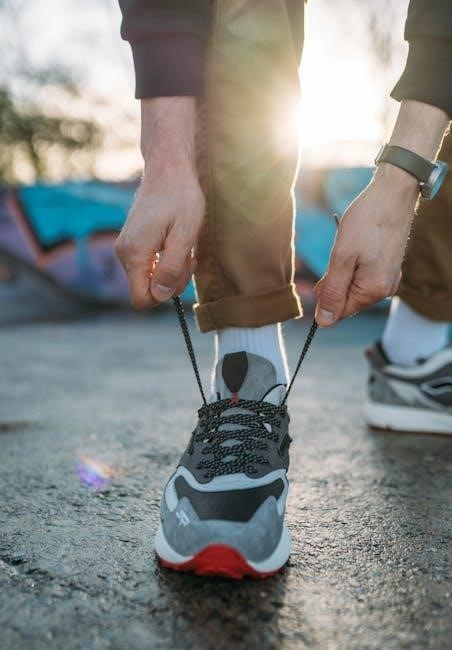
Proper sizing and fit are essential for comfort‚ performance‚ and injury prevention. Ensure consistent sizing across brands and consider width for optimal comfort during runs.
How to Measure Your Foot for the Right Size
To ensure accurate sizing‚ measure your foot while standing on a flat surface. Place your foot on a piece of paper and trace the outline. Measure the longest point for length and the widest point for width. Use a Brannock device or a shoe size chart for precise measurements. Remember‚ foot size can vary between brands‚ so consistency is key. Always measure both feet‚ as they may differ slightly in size. This step ensures a precise fit for optimal comfort and performance.
Length and Width: Ensuring Proper Fit
Proper shoe length ensures toes aren’t cramped‚ preventing blisters and discomfort. The width should accommodate your foot without causing friction. A snug but not tight fit allows for natural foot movement. Measure while standing‚ as feet expand with weight. Try shoes with your usual running socks to assess width accurately. A correct fit in both dimensions enhances comfort and performance during runs.
Comfort and Feel: Beyond Just the Size
Comfort and feel go beyond size‚ ensuring a pleasant running experience. A shoe should feel snug yet comfortable‚ with adequate cushioning to absorb impact. Breathability is key to prevent overheating‚ while support features like arch padding enhance stability. Pay attention to how the shoe feels during walking or light jogging indoors. Prioritize soft‚ responsive materials that align with your foot’s natural movement. Ultimately‚ the right feel boosts performance and reduces discomfort‚ making every run more enjoyable and injury-free.
Trying On Running Shoes

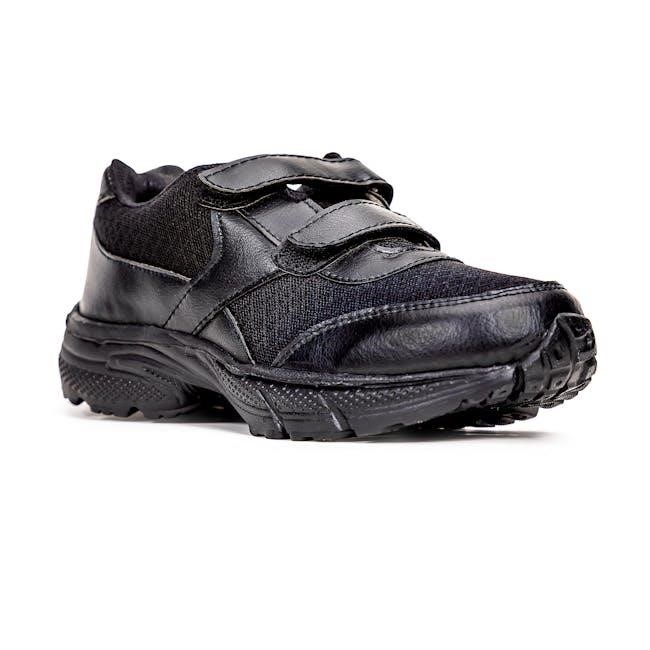
Try shoes in the afternoon‚ as feet swell during the day. Wear running socks and ensure a half-inch toe-box space for comfort and natural movement.
Best Time of Day to Try On Shoes

The ideal time to try on running shoes is in the afternoon‚ as feet naturally swell throughout the day. This ensures a more accurate fit. Feet are typically at their largest in the late afternoon due to activity and fluid retention. Trying shoes during this time helps avoid purchasing shoes that may feel too tight later. Additionally‚ wear the same type of socks you plan to run in for a realistic fit assessment.
Wear the Same Socks You Plan to Run In
When trying on running shoes‚ wear the same type of socks you intend to use for running. This ensures an accurate fit‚ as different sock thicknesses can affect how the shoe feels. Thicker socks may require more room‚ while thinner socks can make the shoe feel tighter. Additionally‚ moisture-wicking socks can help prevent blisters during runs. Bringing your running socks to the store is a simple yet crucial step for a comfortable and proper fit.
How to Test Comfort and Support Indoors
When trying on running shoes‚ walk around the store to assess comfort and support. Pay attention to how the shoes feel during movement. Check for any pressure points or discomfort. Ensure the shoes provide adequate arch support and cushioning. Perform a light jog in place if possible to mimic running conditions. This indoor testing helps verify the shoe’s performance and ensures a proper fit before purchase.
Choosing Shoes for Specific Running Purposes
Different running purposes require specific shoe features. Training shoes offer durability for daily use‚ while racing shoes prioritize lightweight designs for performance. Trail shoes provide enhanced traction and protection for off-road terrains.
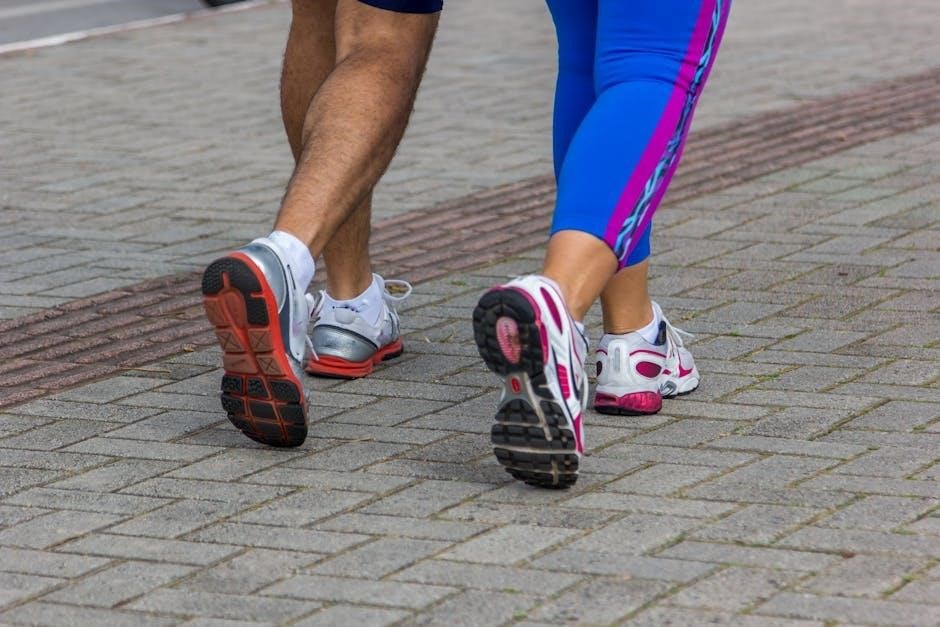
Training Shoes: Daily Use and Durability
Training shoes are designed for daily use‚ offering durability and comfort over high mileage. They typically feature robust materials‚ superior cushioning‚ and enhanced support to handle repetitive impact. These shoes are built to last‚ with features like durable rubber outsoles and breathable uppers to withstand frequent use. They balance performance and comfort‚ making them ideal for runners who prioritize consistency and reliability in their training routines;
Racing Shoes: Lightweight and Performance-Focused
Racing shoes are built for speed and efficiency‚ prioritizing lightweight materials and a sleek design. They often feature minimal cushioning to enhance ground feel and responsiveness‚ making them ideal for races or speed workouts. Breathable uppers and responsive midsoles are common‚ ensuring optimal performance. These shoes are not meant for daily training but are perfect for when every second counts. They combine innovative technologies like carbon plates with rubber outsoles for traction‚ helping runners achieve their best times while reducing fatigue.
Trail Shoes: Traction and Protection for Off-Road Running
Trail shoes are designed to handle rough‚ uneven terrain‚ offering superior traction and protection. They feature aggressive tread patterns with deep lugs for grip on dirt‚ mud‚ and rocks. Reinforced uppers and rock plates provide durability and shield feet from sharp objects. Many trail shoes are waterproof or water-resistant‚ while others prioritize breathability. They often have gusseted tongues to keep debris out. These shoes balance protection with responsiveness‚ ensuring comfort and stability during off-road adventures‚ making them essential for trail runners seeking both performance and safety.
Brand and Model Recommendations
- Nike‚ Adidas‚ and ASICS are top brands for running shoes‚ offering models like Vaporfly‚ Ultraboost‚ and Gel-Kayano.
- Brooks Ghost and Saucony Guide are excellent for daily training.
- Hoka One One provides max-cushioned options like Clifton and Bondi.
Popular Brands for Running Shoes
When selecting running shoes‚ popular brands like Nike‚ ASICS‚ Brooks‚ and Hoka One One are often recommended for their quality and performance.
Nike is known for innovative designs like the Vaporfly‚ while ASICS offers high-performance models such as the Gel-Kayano for support.
Brooks provides balanced cushioning with models like the Ghost‚ and Hoka One One excels in max-cushioned options like the Clifton.
These brands cater to various running styles‚ ensuring comfort‚ support‚ and durability for runners of all levels.
Top Models for Different Running Needs
For specific running needs‚ top models include the Nike Vaporfly for racing‚ ASICS Gel-Kayano for high-mileage support‚ and Brooks Ghost for balanced cushioning.
Hoka One One Clifton is ideal for long-distance comfort‚ while New Balance Fresh Foam offers versatile performance.
Trail runners may prefer Salomon XA Pro 3D for rugged terrain‚ and Saucony Endorphin for speed training.
These models cater to unique demands‚ ensuring optimal performance and comfort for runners with distinct preferences and goals.
Maintenance and Care of Running Shoes
Regularly clean shoes with mild soap and water‚ allow them to air dry to prevent moisture buildup‚ and store them in a cool‚ dry place.
How to Clean and Maintain Your Running Shoes
Use mild soap and warm water to clean dirt and stains. Avoid harsh chemicals or machine washing‚ as they can damage materials. Remove insoles and wash separately. Allow shoes to air dry naturally‚ avoiding direct sunlight or heat. Regularly deodorize with baking soda or odor-control sprays. Store shoes in a cool‚ dry place to prevent moisture buildup. Regular maintenance extends shoe life and ensures optimal performance during runs.
When to Replace Your Running Shoes
Replace running shoes every 300–500 miles or when showing signs of wear. Look for soles with worn-down treads‚ compressed midsoles‚ or torn uppers. If shoes feel less cushioned or cause discomfort‚ it’s time to replace them. Ignoring these signs can lead to poor performance and increased injury risk. Monitor shoe condition regularly and prioritize replacing them to maintain support and comfort during runs.
Common Mistakes to Avoid
- Buying shoes that are too tight or too loose.
- Not considering personal foot type and running style.
- Ignoring proper sizing and fit during try-ons.
Buying Shoes That Are Too Tight or Too Loose
One of the most common mistakes runners make is purchasing shoes that don’t fit properly. Shoes that are too tight can cause discomfort‚ blisters‚ and even toenail issues during runs. On the other hand‚ shoes that are too loose may lead to poor performance and increased risk of tripping. Proper fit ensures optimal comfort‚ support‚ and performance. Always try shoes in the afternoon‚ as feet tend to swell throughout the day‚ and ensure there’s about half an inch of space between your longest toe and the shoe’s end.
Not Considering Personal Running Style and Foot Type
Ignoring your foot type and running style can lead to poor shoe choice‚ causing discomfort and injuries. Flat feet may require more supportive shoes‚ while high arches need better cushioning. Pronation‚ supination‚ and neutral running styles also influence the level of stability or flexibility needed. Failing to consider these factors can result in inadequate support‚ poor performance‚ and a higher risk of injuries. Always align your shoe selection with your unique foot characteristics and running mechanics for optimal comfort and functionality.
A proper fit is crucial for comfort and performance. Consider your foot type‚ running style‚ and shoe features. Use this guide to find your ideal shoe and enjoy a better running experience.
Final Tips for Finding the Perfect Running Shoe Fit
To ensure the best fit‚ try shoes in the afternoon‚ as feet swell throughout the day. Wear the same socks you plan to run in and test shoes indoors. Prioritize comfort and support over brand preferences. A professional gait analysis can provide personalized recommendations. Remember‚ the right fit reduces injury risk and enhances performance. Trust your comfort level and don’t hesitate to seek expert advice for optimal results.